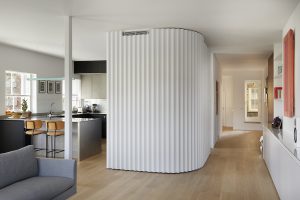
This Grade II Listed Building in the heart of Hampstead seeks to be refurbished and its status as premises for a residential home reactivated. The proposal endeavors to renovate the listed features enhancing the character of the building through the reinstatement of its paneled interior contrasted by contemporary insertions.With the new 2-storey rear addition to the house accommodating high quality living space to first and second floors, a seamless transition to an internal courtyard and access to a roof terrace is provided with the inclusion of a new bespoke glazed facade. TEAMRebecca Charles, Maya Cochrane, Roaya Garvey, Sacha Leong, Nicholas Szczepaniak, Jonathan Walker, Daniela ZiegelmuellerDIRECTORSUwe Schmidt-Hess Dipl-Ing, Architect, M.Arch, ARB studied architecture at the Bauhaus-University Weimar, Oxford Brookes University and the Bartlett School of Architecture UCL London, supported by scholarships of the German National Academic Foundation, InWent & DAAD. Proir to co-founding Patalab, Uwe worked in leading practices including Fink+Jocher and Make Architects. Alongside practice he is Diploma Tutor at the Bartlett School of Architecture and has previously taught at Kingston University and the University of Greenwich.Markus Seifermann Dipl-Ing, Architect, M.Arch, ARB, AKBWstudied architecture at the HTWG Constance and at the Bartlett School of Architecture UCL London, as a DAAD Scholar. He worked in Germany, Canada and the UK for practices including Behnisch Architects, Auer+Weber, Zeidler Roberts and Make Architects before co-founding Patalab. Markus has lectured and taught in the UK, Germany and Switzerland. Currently he teaches Diploma students at the University of Westminster School of Architecture. PATA PATA by MIRIAM MAKEBAWatch the YouTube VideoSaguquga sathi bega nantsi Pata PataSaguquga sathi bega nantsi Pata PataSaguquga sathi bega nantsi Pata PataSaguquga sathi bega nantsi Pata PataHiyo mama hiyo ma nantsi Pata PataHiyo mama hiyo ma nantsi Pata PataHiyo mama hiyo ma nantsi Pata PataHiyo mama hiyo ma nantsi Pata PataSaguquga sathi bega nantsi Pata PataSaguquga sathi bega nantsi Pata PataSaguquga sathi bega nantsi Pata PataSaguquga sathi bega nantsi Pata Pata"Pata Pata" is the name of a dance we do down Johannesburg way. And everybody starts to move as soon as "Pata Pata" starts to play - whoo ASSOCIATIONSBollinger + Grohmann Engineers www.bollinger-grohmann.deChristian Klette, Media Design info@1o11.netCoe Design, Landscape Architecture www.coe-design.co.ukElemental Structures www.elementalstructures.comIsabel Hamm, Artist www.isabel-hamm.deKMCS, Quantity Surveyors www.kmcs.ieMichael Anastassiades, Industrial Designer www.michaelanastassiades.comMichael Shaw, Artist www.gluerooms.comSerge Lai, Service Engineering www.sergelai.com WORK WITH US ...We are looking for talented Part II Architectural Assistants with at least two years work experience to work on a range of projects in the UK and abroad. The candidates will have previously demonstrated the ability to work on several projects simultaneously, be able to develop designs through building physical and CAD models and have experience of construction detailing. To express your interest please send a CV and examples of previous work by e-mail.Patalab is an equal opportunities employer. SELECTED CLIENTSArchitectural Forum St GallenCapital & City plcGerman Embassy in LondonETH Library ZurichMax Frisch Archive Parkgate Aspen LimitedStoneCrabs Theatre PRIVATE RESIDENCE IN MID SUSSEX'Patalab has been commisioned to design a 250 sqm private residence within High Weald Area of Outstanding Natural Beauty. The house will offer all the comforts of contemporary design while retaining the intimate connection with its landscape setting. This private residence for a young family lies within High Weald Area of Outstanding Natural Beauty and Balcombe Conservation Area. The house offers all the comforts of contemporary design while retaining the intimate connection with its landscape setting. In response to the context, the house has been split along the East-West axis into two volumes with a glazed gap in-between. The northern volume, housing mainly utilitarian rooms, is clad in local stock brick and blends with its regular facade pattern into the traditional setting. Contrasting this the southern volume, accommodating flexible open-plan living areas and bedrooms, is clad in timber and fully glazed towards the garden. Light and views are drawn into the heart of the home.The entire structure has been designed to minimise environmental impact and be sensitive to the rural location. In Collaboration with Transsolar.The Cloud Space of the 12th International Architecture Exhibition will allow visitors to experience immaterial qualities of space such as air density, humidity, light and temperature, revealing dimensions of architecture beyond the object.An indoor cloud based on the physical phenomena of saturated air and condensation droplets floats in the Arsenale space. Spanning from wall to wall, the cloud forms a soft ceiling layer at the height of three metres. Visitors experience the crossing of the two metres thick cloud via a ramp with a continuous slope which is installed along the perimeter walls. Guided by an illuminated handrail, they arrive at a platform above. FURTHER INFORMATIONhttp://www.labiennale.org/en/architecture/exhibition/ NATIONAL HEALTH"Really, what is life about? You get sick and die. That's it. So you've just got to keep busy"Andy Warhol,diary entry 26 March 1986The underlying aim and ambition of Studio 14 is to explore and test the demands and needs of the 21st Century. This year we are looking at the huge field of Medicine. This seemingly familiar subject will allow plenty of room for speculation, invention and architectural interpretation. Topics will range from the homeopathic to the psychopathic. London will be usedas a resource and the site for work.The year is structured as a series of sub projects with one central project. Initial investigations are designed to develop a range of thinking tools and skills, that provide an alphabet of techniques and attitudes. The projects are not just illustrations of a theoretical position, but a reflection of the individual students character and experience tested against a collective group conversation.The field trip was to Barcelona in February 2010. RAUMEPISODEN l SPACE EPISODESis a new 'Patalab exhibition in collaboration with the Architectural Foundation East Switzerland in St. Gallen.DATESMonday, 01. March 2010: Podium discussion and VernissageMonday, 12. April 2010: Guided tours + Q&A with Uwe Schmidt-HessFriday, 23. April 2010: Finissage and guided tours + Q&A with Markus SeifermannDOWNLOAD Invitation FURTHER INFORMATIONArchitectural Foundation East SwitzerlandDavidstrasse 40Postfach9004 St.GallenTel: +41 (0)71 371 24 11Fax: +41 (0)71 371 24 34web: http://www.a-f-o.ch IN DISCUSSIONAs part of the exhibition "Raumepisoden/ Space Episodes" at the Architectural Foundation East Switzerland in St. Gallen Uwe Schmidt-Hess and Markus Seifermann will dicuss their work with philosopher and journalist Ludwig Hasler. Read his column hereMonday, 01 March 2009 at 6 pm Architectural Foundation East Switzerland St. GallenDavidstrasse 40Postfach9004 St.GallenTel: +41 (0)71 371 24 11Fax: +41 (0)71 371 24 34web: http://www.a-f-o.ch NEARING COMPLETIONThis remodelling and refurbishment of a six storey Grade II listed Victorian villa in Notting Hill, London, is due for completion in spring 2010.While the original historic features and detailing have been re-instated, the interior is being upgraded to respond to contemporary needs. The project is currently on site and will be completed in summer 2010.Set within an Area of Outstanding Natural Beauty, the house occupies a sheltered plot of land that slopes towards the south west and is defined by high hedges on three sides. This remodelling of the existing 1960's detached property reinforces the relationship between the house and its surrounding and provides additional space in response to the changing needs of a growing young family.The spatial flow within the existing house has been entirely reorganized to ensure all inhabitable spaces are south-facing. Oriented towards the garden, they benefit from views and maximum levels of natural light. The centre of the house becomes a three storey high entrance hall, forming a space of intersecting horizontal and vertical vistas. Set into the softly sloping garden, a ground floor extension accommodating the living room and study, is orientated to the hillside and offers spectacular views.In keeping with the design concept of harmonising with its setting, the building is designed to optimise energy efficiency and reduce environmental impact. Measures include the installation of an air source heat pump, solar panels, high performance thermal double glazed windows and an extensive green roof to the extension. Materials are locally-sourced and construction undertaken by local firms and craftsmen. Paper by Uwe Schmidt-Hess published in Janus Head 9.1Janus Head is a Journal of Interdisciplinary Studies in Literature,Continental Philosophy and the Arts GROUP EXHIBITIONSacha Leong, Uwe Schmidt-Hess, Markus Seifermann, Hiro Sube, Esther Smithey-Eckrich, Michael WihartIn the ambition to establish conversations with the mythical side of architecture, the six architects have created architectural systems in which spatial qualities become elastic, fluid, ephemeral, and vagrant.Sacha Leong creates a scaleless topography in which the mundane reveals its second identity, unleashed by the possibilities of biotechnology. Uwe Schmidt-Hess explores shifted spaces as part of a machinic ecology. Markus Seifermann uses literature as a trigger for discussing the topic of identity collaging fragmented spaces. Esther Smithey-Eckrich deals with the alteration of systems by factors such as time, duration, wear, and searches for ways of calibrating these changing conditions. Hiroyuki Sube develops a series of music-space instruments forming a cybernetic landscape that is shaped by the musicianâs stimulated memories. And Michael Wihart delves into the realm of soft machinery and examines transient modalities in the communication process between a remote prosthetic and its double. GROUP EXHIBITIONHelene Appel, Alex Gross, Alexander Heim, Steffi Klenz, Uwe Schmidt-Hess, Markus Seifermann, Martina SchmueckerGrand Coalition is an interdisciplinary group show featuring the work of 7young German artists and architects. Their motivation to get into perspective their German background led them to the UK where they have been living and working for the past year. Necessarily, shifts in location and context have acted on some level as triggers in the production of many of the pieces in this exhibition, bringing to the surface ideas of Germaness in a British setting. But displacement and relocation also offer freedom and independence for critical positions. Eyes are stimulated to see beyond stereotypical perception.After a year of individual activity within the UK, we have cometogether to present an exhibition comprising painting, photography,performance, sculpture, video, animation and collage. In challenging this familiarity with the inclusion of the work of architects alongside that of fine artists, we believe that the idea of the interdisciplinary is kept vital and dynamic within this exhibition. In each piece subjective views are reflected. Set next to each other, they form a dense assemblage â a topology of materialised experiences. The individual works interweave with eachother, contrasting and expanding their contents. Disciplinary boundaries fluctuate â a coalition is formed. POSSIBILITIES OF EXCHANGETodayâs innovations in technology, science and media are not only pushing the limits of what is feasible, but also the boundaries of our imagination. In this world thought is freed from rationales and conclusiveness transcending the dichotomy of natural versus man-made, biological versus technological, analytical versus intuitive. Events emerge between users and their architectural surroundings - a hitherto unknown poetic transference unfolds new possibilities of exchange between man and architecture.Our lives are invigorated by fractured memories of virtual others, space has left the conventions of authorship, possession and materiality. But do the events on the horizon of cyberspace leave us untouched? How do we stretch our existence between our own cybridisized representation and our mind that resides in our organic body? Externalized memories and events, machinic prostheses, robots, clones â manâs attempt to produce an artificial synthesis of his own image leaves us contemplating the idea that architecture could not only be constructed from inert matter.Based on the premise that in a not too distant future we will share our spaces with physical descendants of cyberspace that exhibit properties of intelligence and life the unit will speculate how architecture will be inspired by these new human relations.This yearâs projects will propose hybrid interventions that migrate between the common strictures and nomenclatures of digital, mechanical and biological, becoming models of innovation as well as imaginative devices that investigate alternative spatial realities.More information MIGRATING THRESHOLDSArt protects us from the desert of reality, its one-dimensionality and the complete usefulness and banality of our existence. This is achieved by luring us into new and extraordinary emotional, experiential and intellectual states. In search of original pleasure, architectural designers often endeavour to challenge the unknown but feel restrained by the consequences of the known. We couldnât care less.There are spaces where duration and memory are compressed. Thresholds can be spatial, chemical, social, etc. They always have potential and they are the sites of change. The term âthresholdâ describes moments of transitions. How do we record it? How do we, as architectural designers, imbue thresholds with meaning?In its first year the unit has zoomed into transitional practices and observed rites of passage and their relevance to our coexistence and in turn invented new passage tactics and rites and responded with articulate architectural observations, experiments and propositions. We have explored thresholds between craftmanship and experimentation; between the excellence of the expectable and the failure of the experiment. We understand thresholds as sites of potential beginning, contact connection, immersion and their antagonists at the same time.More information and student works When is the architect in a position to be able to respond to the guiding idea set out by the great sociologist Henri Lefebvre: That he needs to be clear about the space first, before starting to think about the architecture? When we think about the act of building, this idea is easily forgotten. Then space normally means something three dimensional which on the one hand is tangible and can be experienced by our senses but on the other has to respond in the first instance to rigid regulations, planning guidelines and budgets. However, what spheres can be reached, when following Lefebvres recommendation!In this spirit âPatalab conducts design based spatial research. This includes two architectural installations, presented as "Space Episodes" at the Architectural Foundation of East Switzerland in St Gallen. By questioning supposedly settled spatial agreements, new potential of architecture is demonstrated. Architecture as generator of a general truth does not exist anymore. Rather it emerges in the irregular and idiosyncratic. Read exhibition review by Ursula Badrutt SchochDATESMonday, 01. March 2010Podium Discussion and VernissageUwe Schmidt-Hess and Markus Seifermann will discuss their work with Ludwig HaslerMonday, 12. April 2010Guided tours + Q&A with Uwe Schmidt-HessFriday, 23. April 20010 - FinnisageGuided tours + Q&A with Markus SeifermannFor further information please contact:Architektur Forum OstschweizDavidstrasse 40Postfach9004 St.Gallenhttp://www.a-f-o.ch The proposal to create a "Green City Lounge" provides a dynamic, metropolitan attraction that will impose a catalytic redevelopment on the adjacent quarters of the old city. An urban square, free from cars, is at its centre. Aligned by two new mixed use buildings, the square is woven into the existing city fabric and extends Munichâs network of courtyards and passages.Two green ramps ascend up to 7 metre above street level and terminate in balconies, offering new views onto the surrounding quarters. The square between the ramps is a stage for urban life not only during the day. At night it transforms into an event space, facilitating open air cinema, dance or music performances.The nothernmost of the two proposed buildings, takes a prominent position in the cityscape. Open to all directions and shading the sloping green space below, it is the built link between the existing pedestrian zones in the north, and the new pedestrian axis towards the South of the city. The RGZM (Roemisch-Germanisches Zentralmuseum) is an internationally-active research institute for archaeology. Research projects extend from the earliest human history into the middle ages.This new museum is designed to form a landmark and a gateway building in the city centre of Mainz. It combines three different museums with a library, as well as conservation workshops and laboratories for the researchers.Located next to the existing museum for ancient navigation the concept suggests a new urban link to important archeological sites in close proximity. The entire ground floor acts as a public platform for special exhibition- and educational purposes. Each of the three museums is situated in an individual cone, allowing for a maximum user-flexibility. All museum-cones are open to the public area on the ground floor. Additionally the research centre embraces the arrangement at a sky-level, offering excellent daylight conditions and quiet workspaces for restoration work. The Landscape Architect, Structural Engineer and Environmental Egineer were involved from an early stages to respond to this complex brief.TEAMArchitects: 'Patalab, LondonLandscape Architects: Coe Design, WeymouthStructure: Bollinger + Grohmann Ingenieure, FrankfurtKlimaengineering: Transsolar, Stuttgart âAnd yet, - strange truth â no one was ever seen entering or exiting the studio. The whole thing seemed to be sealed off, impenetrable, with no one inside to run the controls. It is rumoured that there are a thousand ways to enter the workshop and a thousand-and-one to exit, but there is no door. And that is precisely about what the studio was dreamingâŚâLoris Greaud in his introduction text to the Cellar Door project and operaArt protects us from the desert of reality, its onedimensionality and the complete usefulness and banality of our existence. She achieves that by luringus into new and extraordinary emotional, experiential and intellectual states. In search of original pleasure, architectural designers often endeavour to challenge the unknown but feel restrained by the consequences of the known. We couldnât care less.There are spaces where duration and memory are compressed. Thresholds can be spatial, chemical, social, etc. They always have potential and they arethe sites of change. The term âthresholdâ describes moments of transitions. This very moment is the threshold between our past and future. This is truewhenever one reads it. How do we record it? How do we, as architectural designers, imbue thresholds with meaning? Architecture is the built threshold between our being in the world and the world itself - but only ifwe allow it to be.We will zoom into transitional practices and observe rites of passage and their relevance to our coexistence and in turn invent new passage tactics and rites and respond with articulate architectural observations, experiments and propositions. We will explore the threshold between craftsmanship and experimentation; between the excellence of the expectable and the failure ofthe experiment. We will remember that thresholds are always sites of potential beginning, contact connection, immersion and their antagonists at the same time.âThey, who cannot dwell on the threshold of the instant moment, forgetting all past, who cannot stand there like a goddess of triumph without fear and vertigo, they will never know what happiness is, and even worse: they will never do something that makes other people happy.âFriedrich Nietzsche in The Untimely MeditationsSpringing off an initial set of studies on threshold conditions Year 4 students will articulate an experimental building brief dwelling on and responding to a specific site while Year 5 students will develop experiments and propositions that scrutinize a specific threshold condition, identified by each individual student. http://www.bartlett.ucl.ac.uk/architecture/programmes/units/unit24.htm Workshop for Master of Architecture students in collaboration with Imperial College London, Department of AeronauticsThe penomena of fluid dynamics such as chaos, vibration, turbulence, movement, transition and change leave us questioning the idea of stability and equilibrium. Commonly understood ideas of stability have been extended to the stability of dynamic systems. Forces, masses and inertias become attractive agents for the design process. These concepts are used to explore the potential of architectural phenomena to change.CONCEPT & WORKSHOP LEADERSNadir AbdessemedUwe Schmidt-HessMarkus Seifermann Michael Wihart This Victorian Grade II listed building has been substantially refurbished, creating an elegant and distinctive home in which the original historic detailing is balanced by contemporary insertions. Ornamental plaster work, wall paneling, and fire places have been restored, while the interior spaces are reorganised to provide more representative and flexible living accommodation tailored to the clientâs needs.The ground and lower ground floors have been extended to gain space for an additional bedroom and a generous kitchen flooded by sun light via a large opening towards the sky. An 150 year old reclaimed Oak floor installed throughout the house binds the four storeys together and is contrasted by bespoke integrated furniture.Location: Conservation area in West LondonClient: Private RAUM OF REQUIREMENTSThe word RAUM contains multiple meanings some seemingly at odds with one another. That requirement can be delight and as Charlie Brown said: "What I need is more hellos".Episode 01 - The prototypical objectsThe students need to uncover subject, object, location and allegories of their own device by considering the following:ephemeral / permanentinvisible / visiblemass / uniquelocal / globalinterior / exteriorrepetition / absencelinear / fragmentclear / misunderstoodThe first task is to construct six pieces of text and collages that correspond with the above.Raum (der)n. room, compartment of space marked off by walls within a buildingspace: two- or three-dimensional area, open space, outer spaceplace: jurisdiction, district, region, area, capacity, premises, site, grounds(Babylon dictionary)RequireVerb (required, require)1 a to need something; b to wish to have something2 to demand, exact or command by authority3 to have as a necessary or essential condition for success, fulfillment, etc.requirement noun 1a a need b something that is needed2 something that is asked for, essential, order, etc3 a necessary conditionETYMOLOGY: from Latin require to seek for, from quaerere to seek or search for.(Chambers dictionary)Episode 02 - Field trip to Berlin, GermanyNovember 2008 The construction of space between geometry and language forms the core of the project. Its investigation leads to the creation of a cybernetic garden in which sensitive machines are set in ecological relationships with each other.The seeds of the garden are sown in specific âmemory-locationsâ. By removing the surface between time and objects, conversations between these locations are established. Geometric, mechanical conditions are set against released soft events, which unfold transient spaces. The territories of singular objects are extended, inhabiting changing gaps between the machines. Interior conditions are projected into the exterior, where they ignite further reactions. Traces of processes are harvested, encounter individual intuition and influence the surrounding members in their performance. The Max Frisch-Archive in Zurich preserves the literary legacy of the world-famous Swiss author and has commissioned Patalab to curate and design this spatial interpretation of Frischâs novel Iâm not Stiller. Patalab was responsible for concept development, design and planning, as well as for the entire realisation of the project at the ETH library in Zurich. Markus Seifermannâs artwork formed the main body of the installation and was accompanied by the work of three artists who specialize in sound and film.Opened on 18th February 2009 by critically acclaimed litterateur Peter von Matt, The Lost Space of Stiller attracted an overwhelming response by experts, the public and the press.Read exhibition review by NoeMie SchwallerRead exhibition review by ETH LifeWatch the video of the exhibition on YouTubeClient: Max Frisch-Archive, ETH-Bibliothek Zurich'Patalabâs role: Artwork, Exhibition Designer & Lead ConsultantTEAMArtwork: Markus Seifermann Sound Artist & Designer: Michael Shaw Film: Dan FarmerRope Bondage: EsinemText: Matthias A. AmannLighting: iGuzzini illuminazione Schweiz AGConstruction: Straehl Holzbau, Bunner Holzbau Identity is a space, formed by the inner world of each person. This inner view relies on the perception of other people with different viewpoints, opinions and prejudices.The name Stiller is taken from the novel âIâm not Stillerâ (1954) by the Swiss author Max Frisch and is a metaphor for the search for an identity as a lost space. Frisch once confided to his diary: âWhat is important is the unsayable, the space between the words, while those words are always talking about secondary things that we donât really mean.â This is precisely the theme of The Lost Space of Stiller: the search for the unsayable. with Make ArchitectsThis remodelling of a Neo-Georgian villa with a new built extension sits within a generous garden. Extending over three storeys, the house features study, kitchen, dining and living spaces on the ground floor. A cantilevered stone staircase along a gentle curve in the double storey high entrance hall links this area with the bedrooms above. Conceived as an evolving sequence of spaces, the interior opens out towards its surroundings and acts as a vessel for the ever changing quality of light. The palette of internal materials comprises polished plaster, beige limestone, cast bronze and American walnut. This is complemented by an exceptional attention to detail reflected in bespoke door handles, light fittings and joinery - an approach supported by the clientâs commitment to achieving the highest quality design and craftsmanship. Although highly elaborate and complex, the design respects the domestic scale and history of the house.Awards: 2008 Winner/ Natural Stone Awards 2010 Winner/ LDSA Building Excellence AwardsCollaboration: Glass Artist Isabel HammLocation: Conservation Area in HampsteadClient: Private This project to refurbish a semi-detached Victorian villa situated within one of Londonâs Arcadian conservation areas focuses on increasing the spatial connectivity between the house and its garden and within the house itself. In response to the buildingâs existing four floors, a series of double-storey high volumes have been inserted into the fabric. Spaces are linked horizontally and vertically, opening up unexpected views within and beyond the house. A tapered staircase, approaching a 4.5 metre high glazed opening, leads from the entrance hall on a raised ground floor down to garden level where the kitchen area extends into the exterior via a sunken terrace.Dark natural materials such as Belgian Basalt and stained Oak are contrasted by bespoke designed joinery pieces in light finishes.Location: Conservation Area in North -West LondonClient: Private Send Message info@patalab.com DISCLAIMER'Patalab is not responsible for linked Websites Tel: + 44 (0) 20 3093 4170 Email: info@patalab.com IMPRINTResponsible for this website Uwe Schmidt-Hess & Markus SeifermannPhotographs Schmidt-Hess, Seifermann, makeDesign & Programming Christian Klette info@1o11.net PRACTICE PROFILEâPatalab is a London-based architectural practice. We offer a full range of services from concept design to site supervision, planning and realizing contemporary high quality spaces and places.The practice was founded by Uwe Schmidt-Hess and Markus Seifermann. While our main focus is architecture and the realization of buildings and interiors, our expertise also includes the conception and design of exhibitions. Both elements of the practice are enriched and supported by design based research.Inspired by âPataphysics, a philosophy and artistic movement dedicated to exploring the imaginary and what lies beyond the realm of physics and metaphysics, âPatalab operates as an innovative practice and delivers intelligent and memorable design solutions in response to our clientsâ varied requirements by understanding their needs and ambitions. New headquarters for fashion group Esprit EDC in Germany with Make ArchitectsThis competition-winning scheme creates a flagship headquarters building for fashion brand EDC, in which the creative process is on display as much as the fashion and accessories which are the end product. A crystalline asymmetrical structure emerges from the ground plane, creating a building in which showroom spaces, product display areas and design and administrative work stations are fluidly interlinked and communication and visual connections are maximised to dynamic effect. Five floors, each differing in plan, are bound together by a sinuous asymmetrical void which twists upwards through the heart of the building. The sense of fluid connection is further enforced by a ramp that spirals up the perimeter of the central void to form a spectacular promenade.Awards2008 CommendationMIPIM Architectural Review Future Project TeamStructure: Bollinger + Grohmann Ingenieure, FrankfurtKlimaengineering: Transsolar, StuttgartFacade: Emmer Pfenninger Partner AG, Muenchenstein-CHProject Management BMP Baumanagement GmbH, Koeln HEADLINE FOR THIS NEWS IN CAPSBla Bla. Lorem ipsum dolor sit amet, consectetuer adipiscing elit. Aenean commodo ligula eget dolor. Aenean massa. Cum sociis natoque penatibus et magnis dis parturient montes, nascetur ridiculus mus. Donec quam felis, ultricies nec, pellentesque eu, pretium quis, sem. Nulla consequat massa quis enim. Donec pede justo, fringilla vel, aliquet nec, vulputate eget, arcu. In enim justo, rhoncus ut, imperdiet a, venenatis vitae, justo. Nullam dictum felis eu pede mollis pretium. Integer tincidunt. Cras dapibus. Vivamus elementum semper nisi. Aenean vulputate eleifend tellus. Aenean leo ligula, porttitor eu, consequat vitae, eleifend ac, enim. Aliquam lorem ante, dapibus in, viverra quis, feugiat a, tellus. Phasellus viverra nulla ut metus varius laoreet. Quisque rutrum. âPATALAB is a London-based architectural practice. We offer a full range of services from concept design to site supervision, planning and realizing contemporary high quality spaces and places. 'PATALAB operates as an innovative practice and delivers intelligent and memorable design solutions in response to our clientsâ varied requirements.
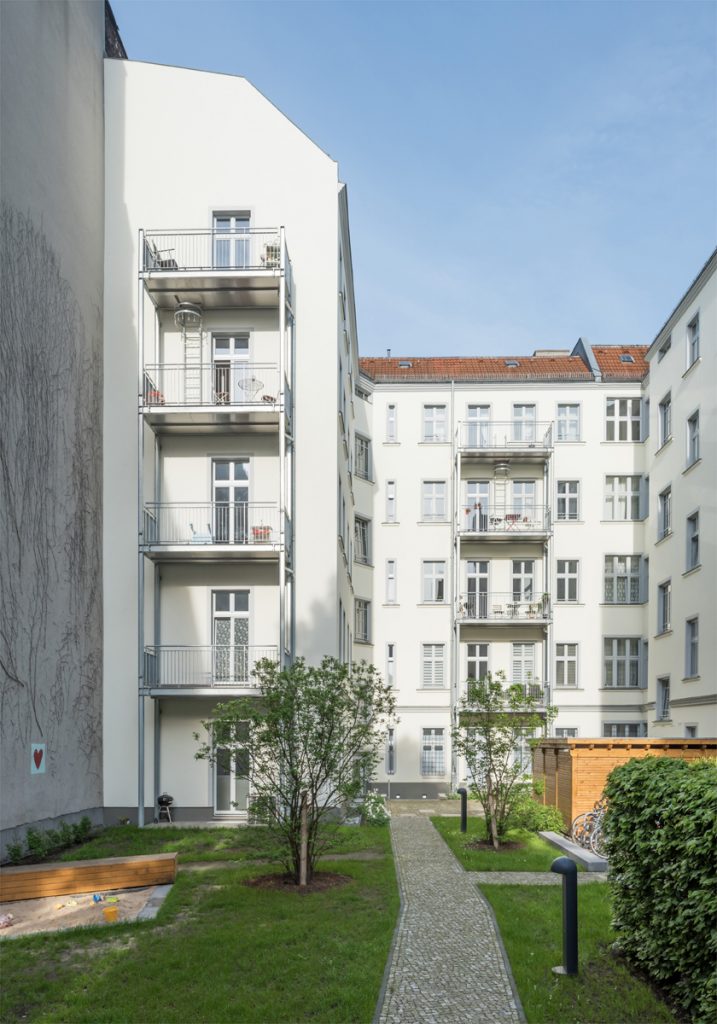
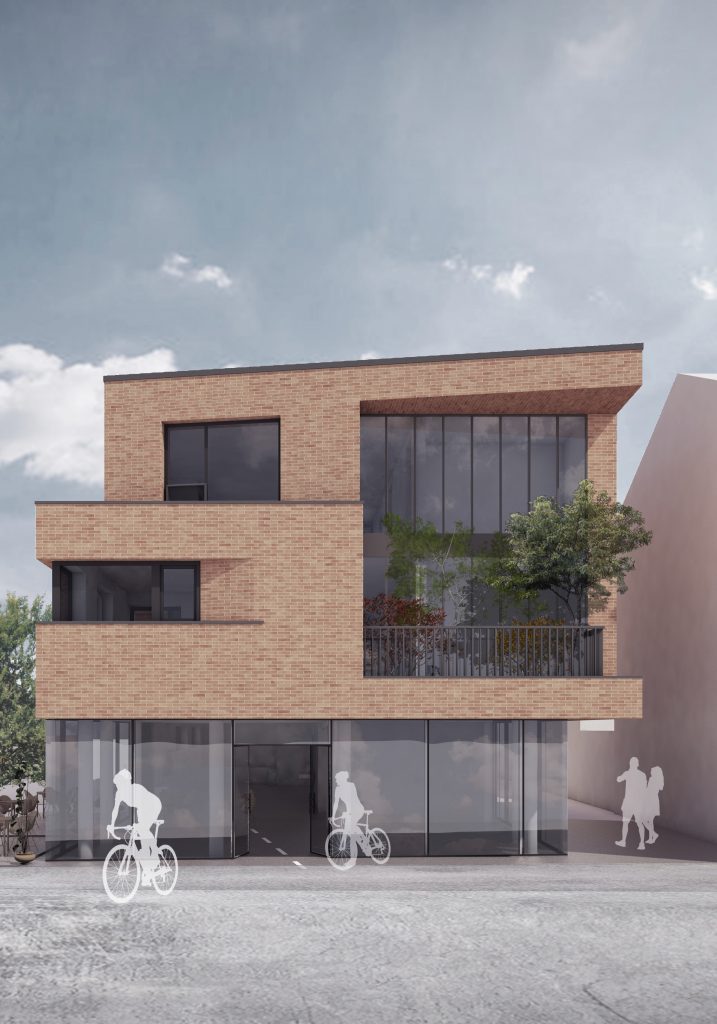
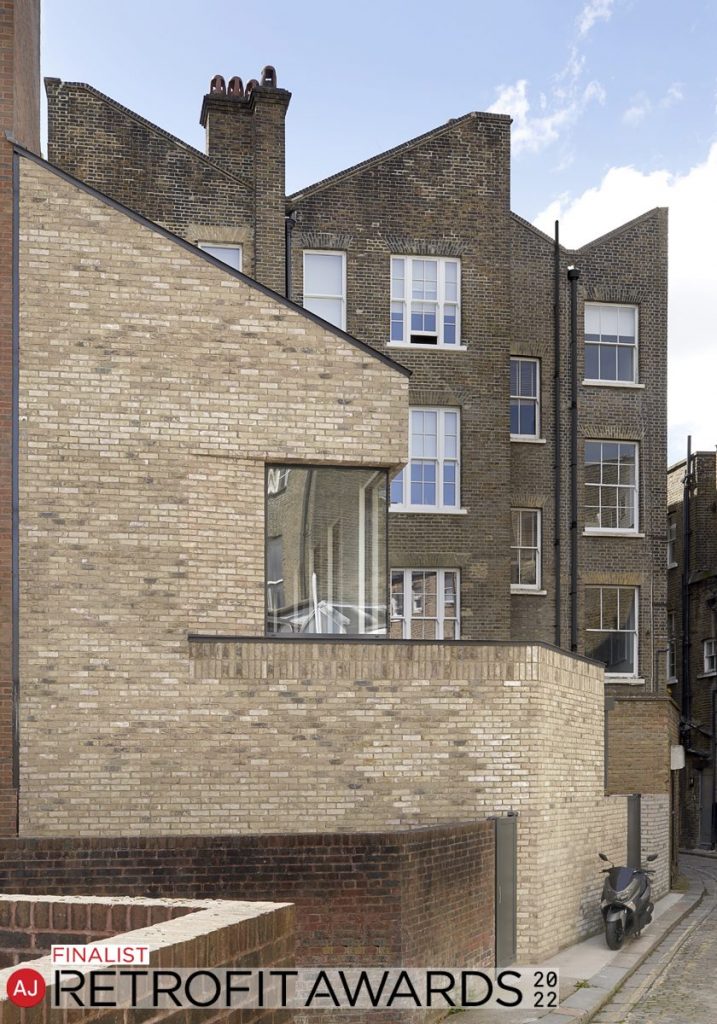
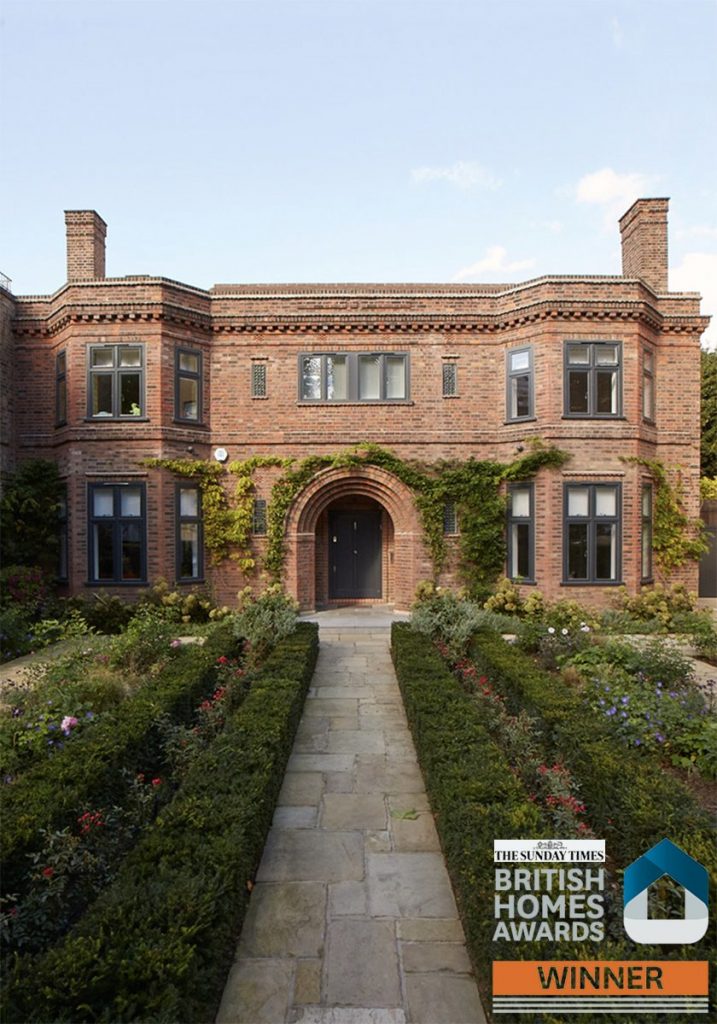
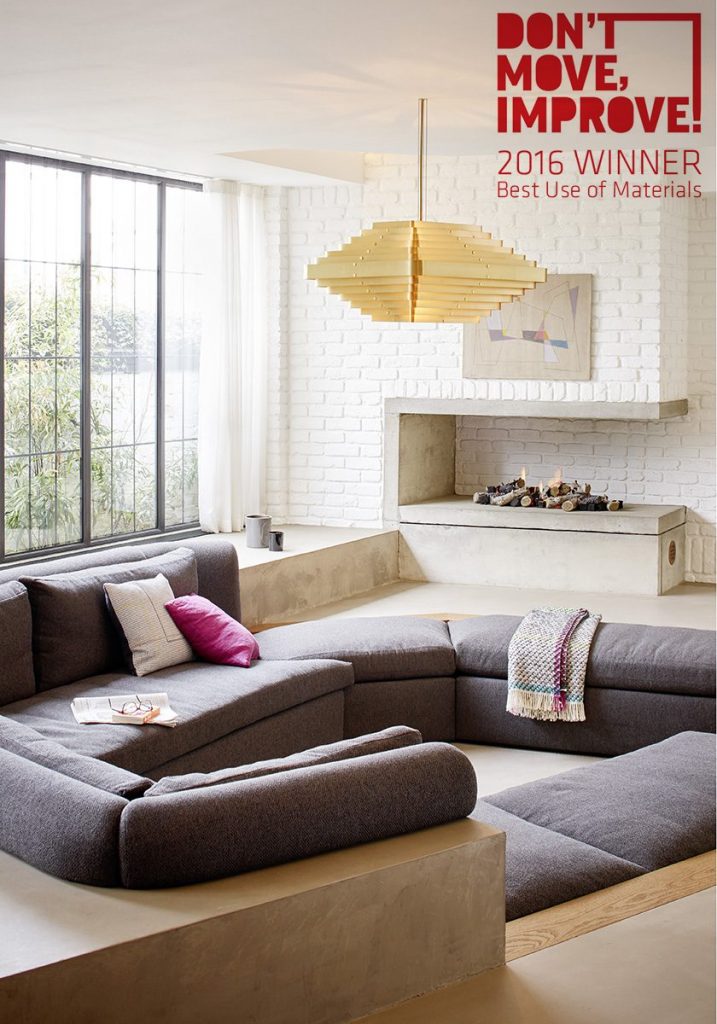
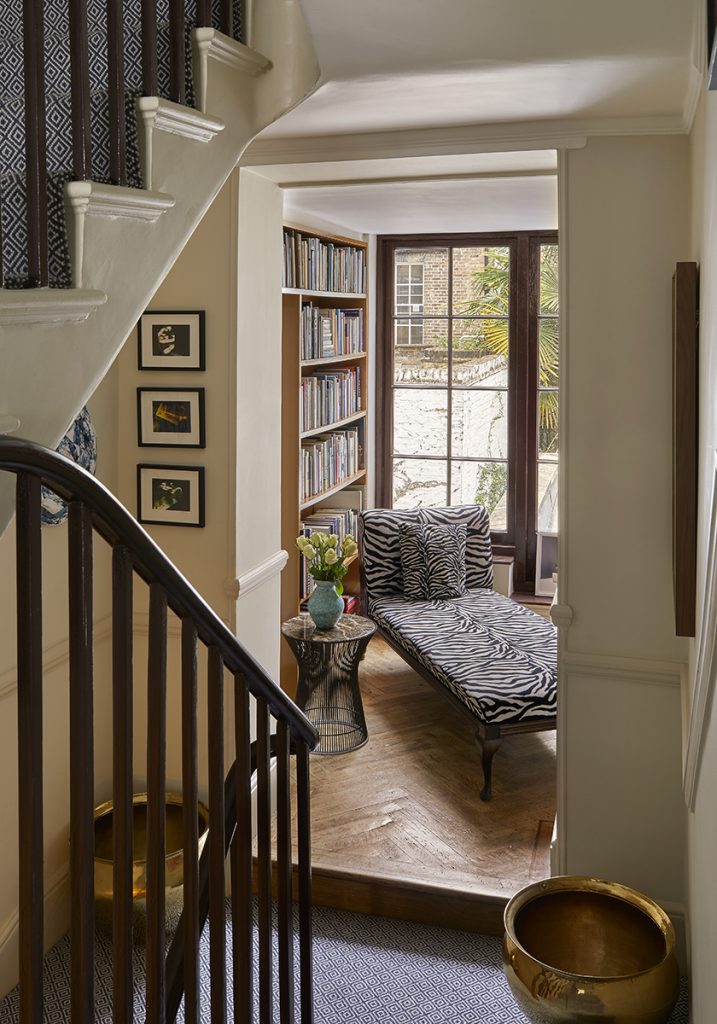
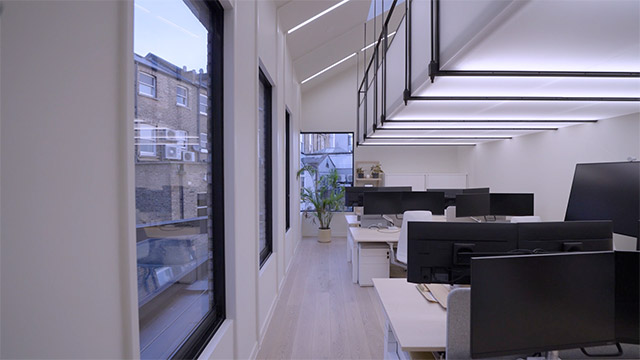
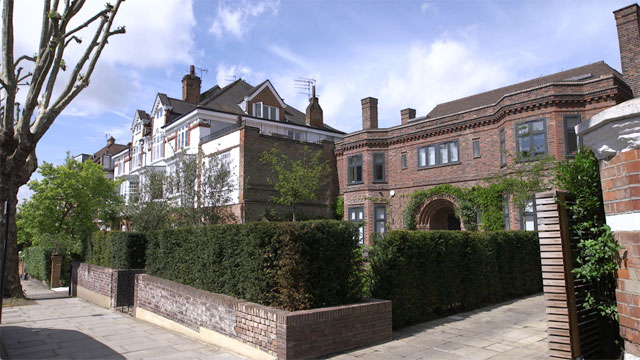
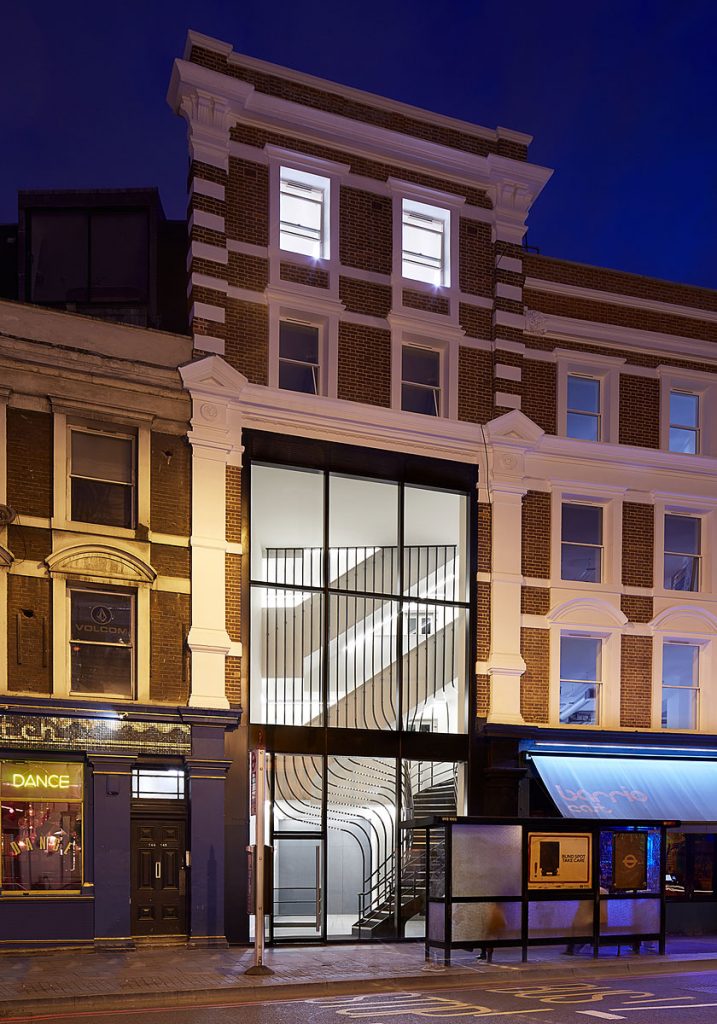
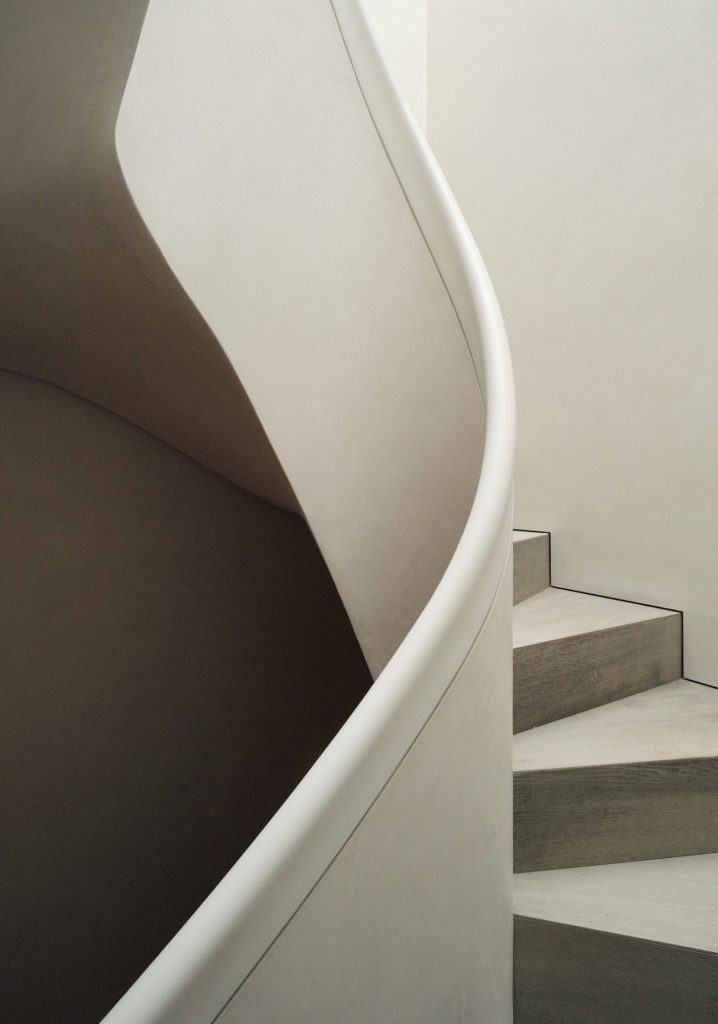
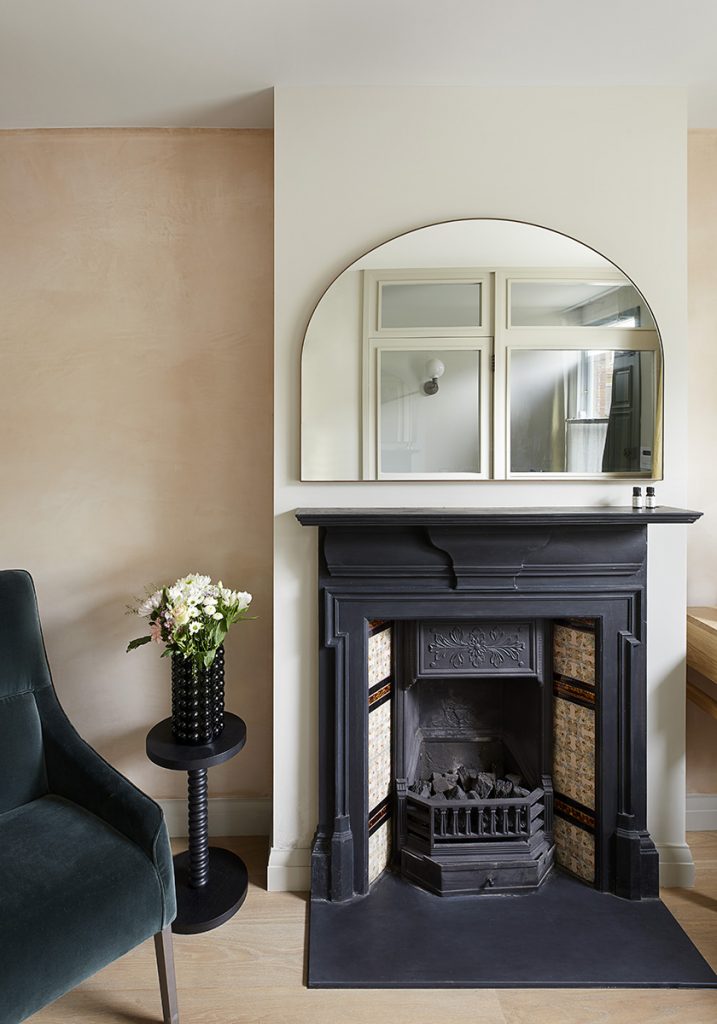
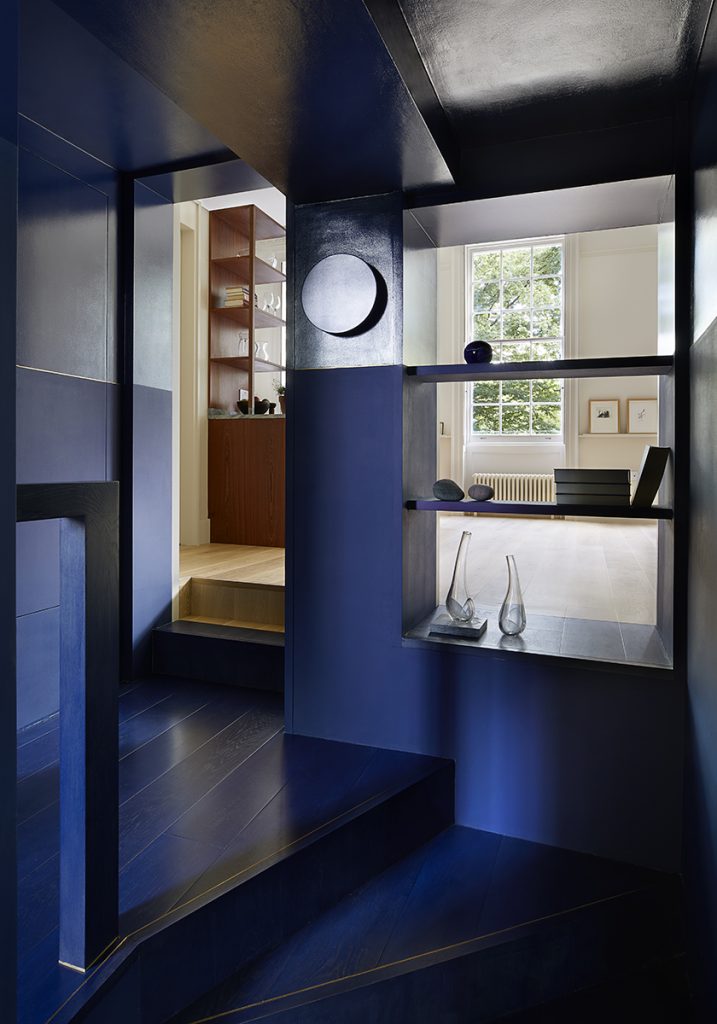
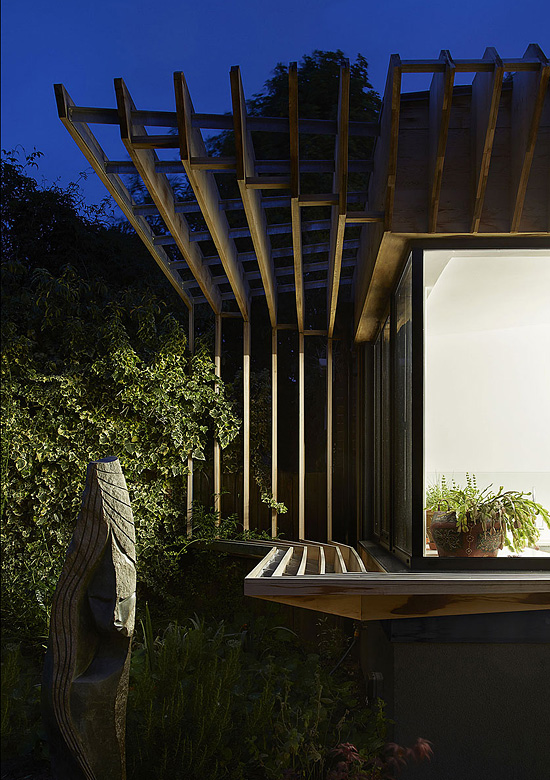
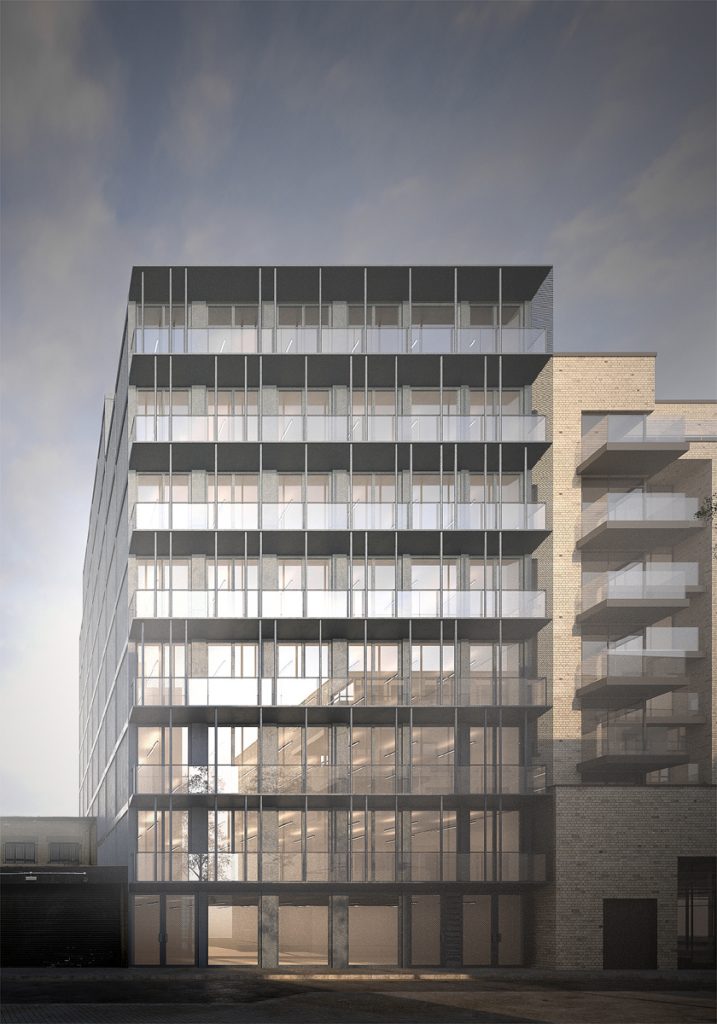
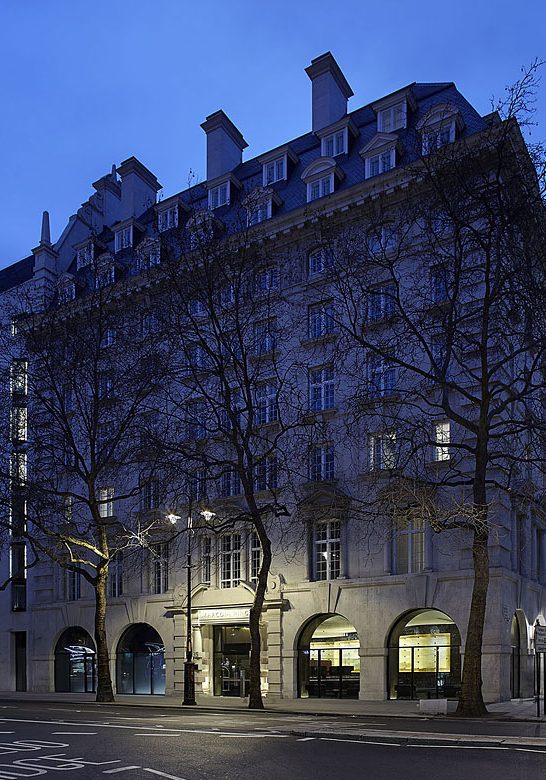
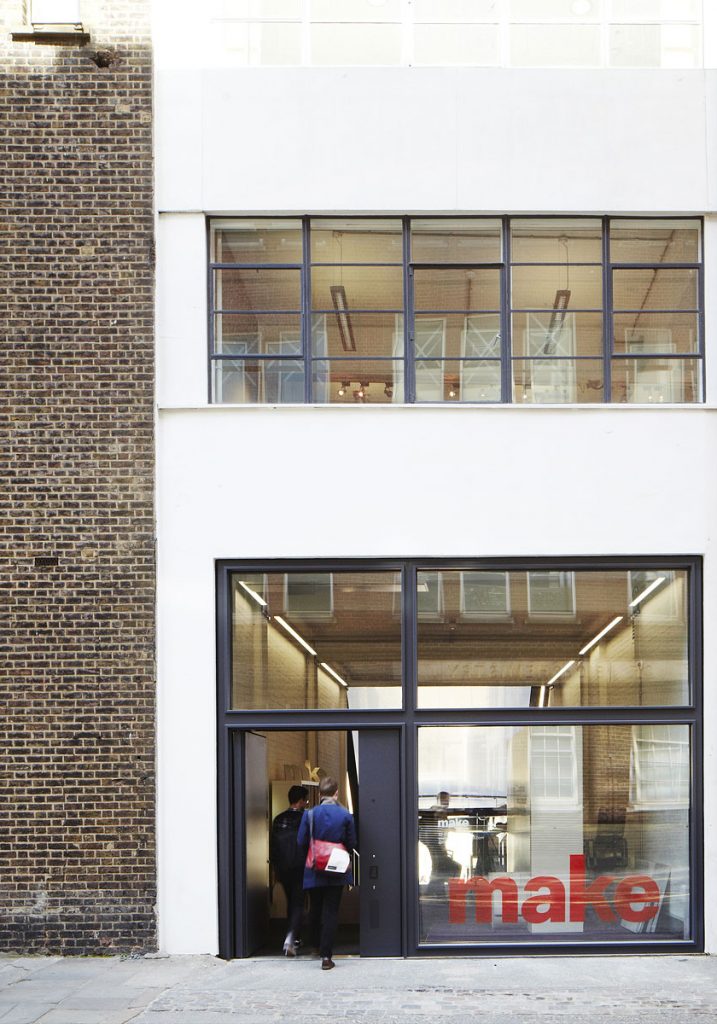
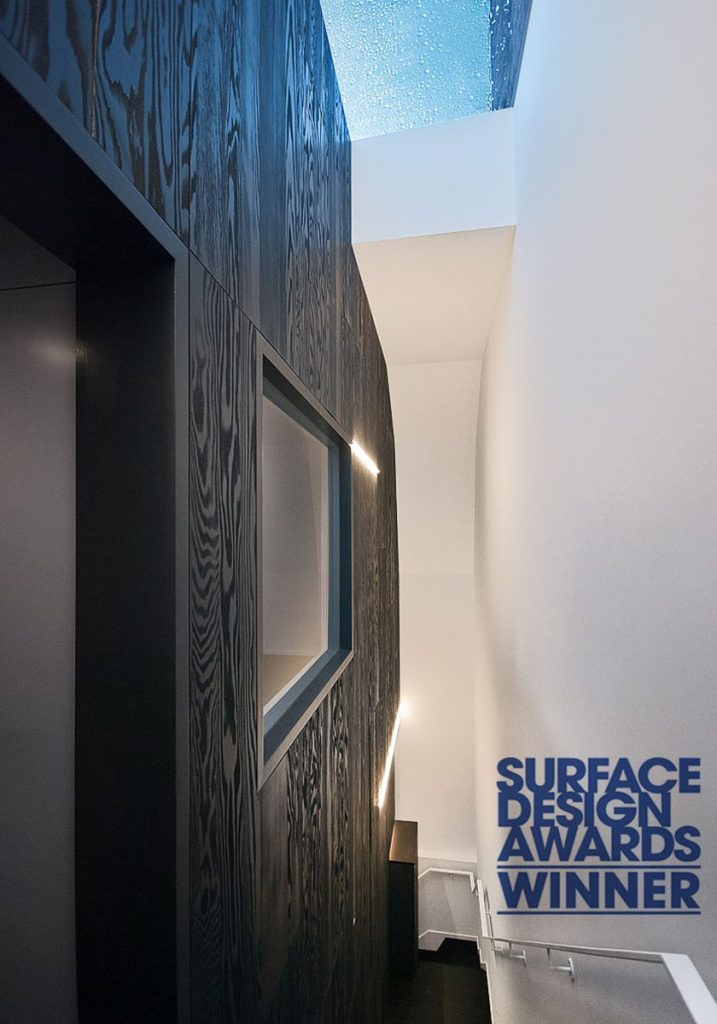
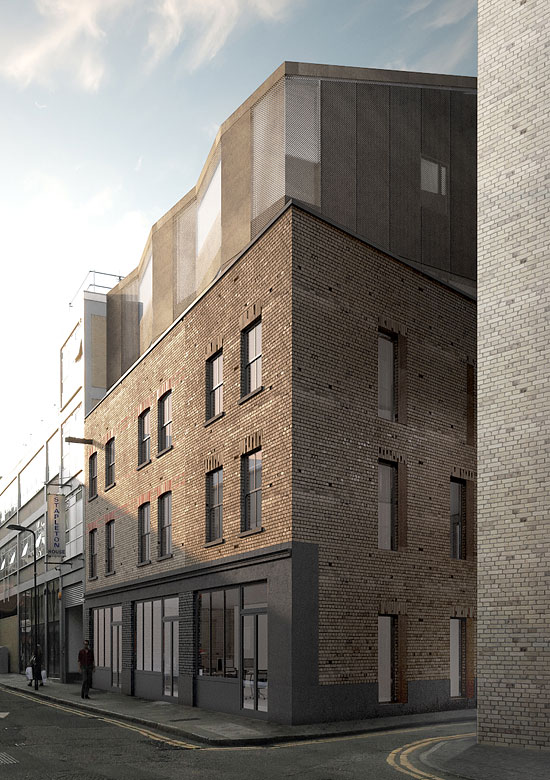
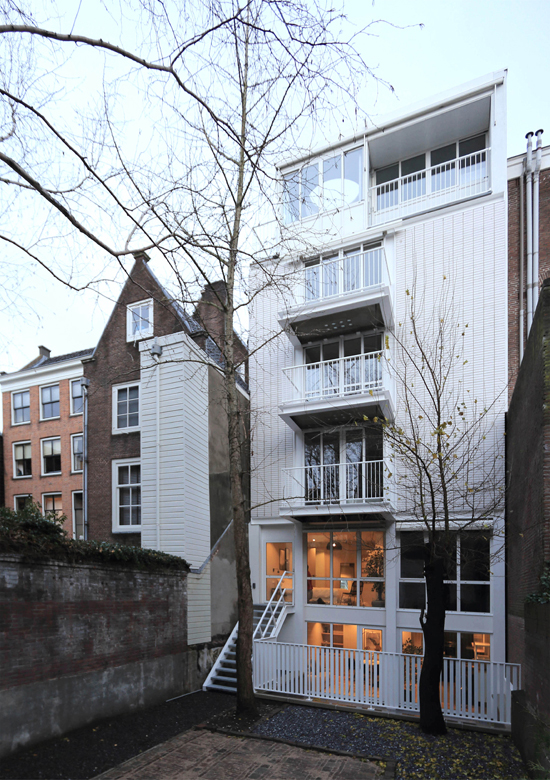
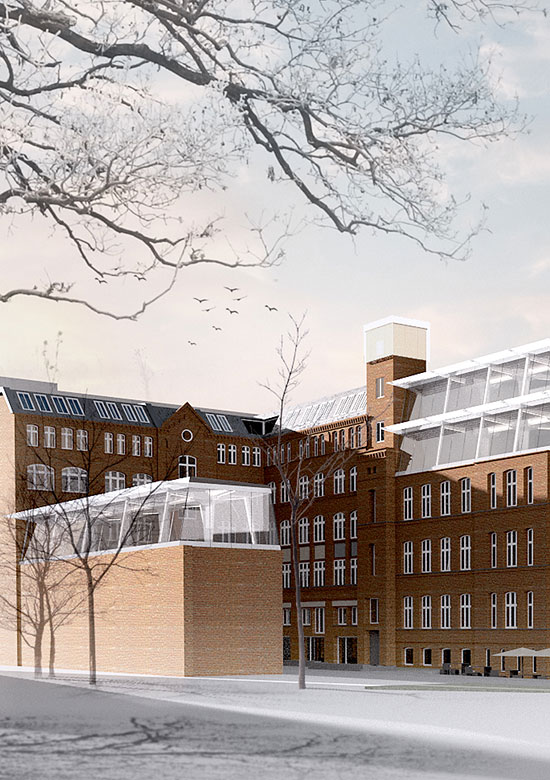
This Grade II Listed Building in the heart of Hampstead seeks to be refurbished and its status as premises for a residential home reactivated. The proposal endeavors to renovate the listed features enhancing the character of the building through the reinstatement of its paneled interior contrasted by contemporary insertions.With the new 2-storey rear addition to the house accommodating high quality living space to first and second floors, a seamless transition to an internal courtyard and access to a roof terrace is provided with the inclusion of a new bespoke glazed facade.
This Grade II Listed Building in the heart of Hampstead seeks to be refurbished and its status as premises for a residential home reactivated. The proposal endeavors to renovate the listed features enhancing the character of the building through the reinstatement of its paneled interior contrasted by contemporary insertions.
With the new 2-storey rear addition to the house accommodating high quality living space to first and second floors, a seamless transition to an internal courtyard and access to a roof terrace is provided with the inclusion of a new bespoke glazed facade.
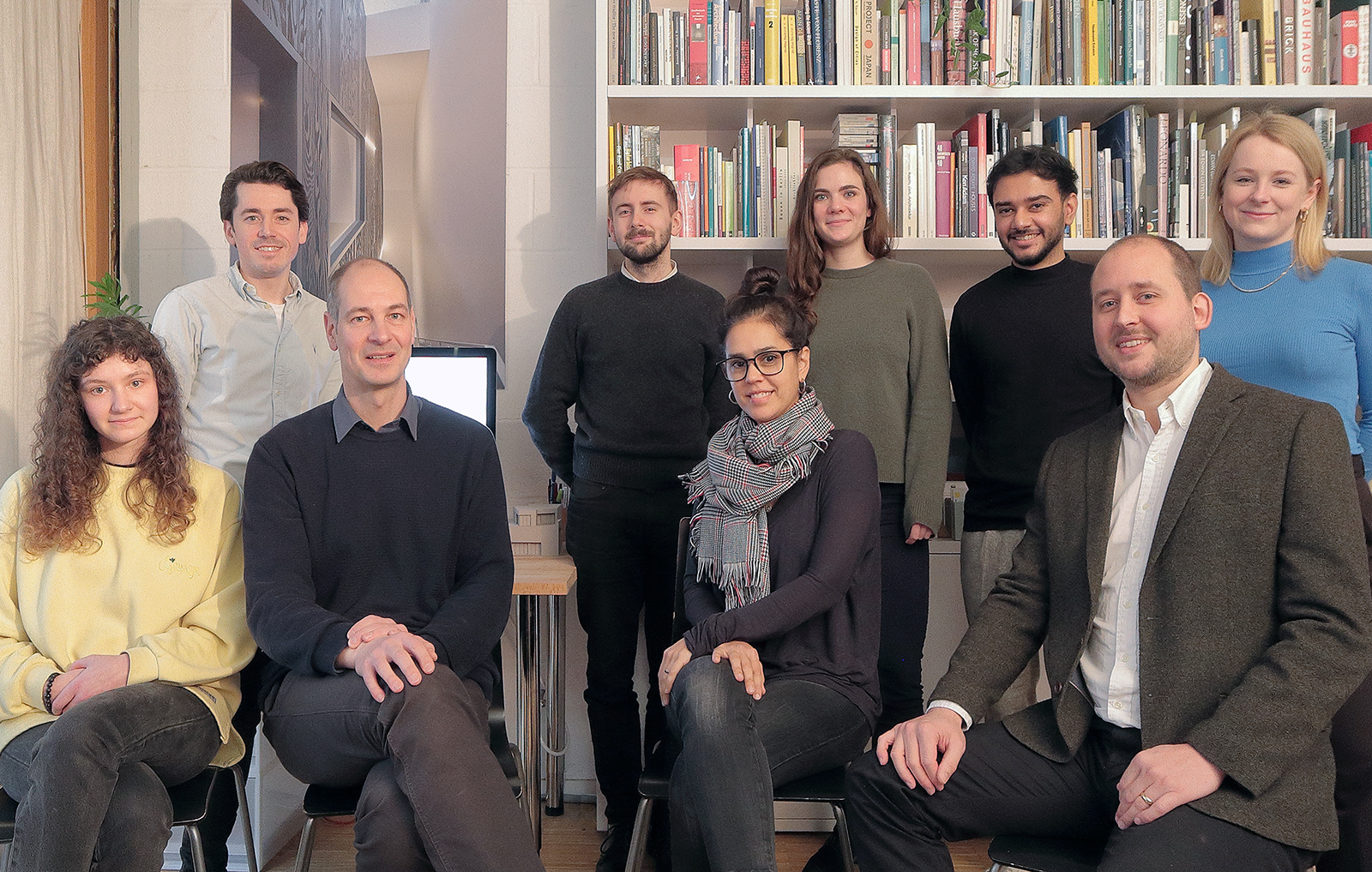
TEAMRebecca Charles, Maya Cochrane, Roaya Garvey, Sacha Leong, Nicholas Szczepaniak, Jonathan Walker, Daniela ZiegelmuellerDIRECTORSUwe Schmidt-Hess Dipl-Ing, Architect, M.Arch, ARB studied architecture at the Bauhaus-University Weimar, Oxford Brookes University and the Bartlett School of Architecture UCL London, supported by scholarships of the German National Academic Foundation, InWent & DAAD. Proir to co-founding Patalab, Uwe worked in leading practices including Fink+Jocher and Make Architects. Alongside practice he is Diploma Tutor at the Bartlett School of Architecture and has previously taught at Kingston University and the University of Greenwich.Markus Seifermann Dipl-Ing, Architect, M.Arch, ARB, AKBWstudied architecture at the HTWG Constance and at the Bartlett School of Architecture UCL London, as a DAAD Scholar. He worked in Germany, Canada and the UK for practices including Behnisch Architects, Auer+Weber, Zeidler Roberts and Make Architects before co-founding Patalab. Markus has lectured and taught in the UK, Germany and Switzerland. Currently he teaches Diploma students at the University of Westminster School of Architecture.
TEAM
Rebecca Charles, Maya Cochrane, Roaya Garvey,
Sacha Leong, Nicholas Szczepaniak, Jonathan Walker, Daniela Ziegelmueller
DIRECTORS
Uwe Schmidt-Hess Dipl-Ing, Architect, M.Arch, ARB
studied architecture at the Bauhaus-University Weimar, Oxford Brookes University and the Bartlett School of Architecture UCL London, supported by scholarships of the German National Academic Foundation, InWent & DAAD. Proir to co-founding Patalab, Uwe worked in leading practices including Fink+Jocher and Make Architects. Alongside practice he is Diploma Tutor at the Bartlett School of Architecture and has previously taught at Kingston University and the University of Greenwich.
Markus Seifermann Dipl-Ing, Architect, M.Arch, ARB, AKBW
studied architecture at the HTWG Constance and at the Bartlett School of Architecture UCL London, as a DAAD Scholar. He worked in Germany, Canada and the UK for practices including Behnisch Architects, Auer+Weber, Zeidler Roberts and Make Architects before co-founding Patalab. Markus has lectured and taught in the UK, Germany and Switzerland. Currently he teaches Diploma students at the University of Westminster School of Architecture.
PATA PATA by MIRIAM MAKEBAWatch the YouTube VideoSaguquga sathi bega nantsi Pata PataSaguquga sathi bega nantsi Pata PataSaguquga sathi bega nantsi Pata PataSaguquga sathi bega nantsi Pata PataHiyo mama hiyo ma nantsi Pata PataHiyo mama hiyo ma nantsi Pata PataHiyo mama hiyo ma nantsi Pata PataHiyo mama hiyo ma nantsi Pata PataSaguquga sathi bega nantsi Pata PataSaguquga sathi bega nantsi Pata PataSaguquga sathi bega nantsi Pata PataSaguquga sathi bega nantsi Pata Pata"Pata Pata" is the name of a dance we do down Johannesburg way. And everybody starts to move as soon as "Pata Pata" starts to play - whoo
PATA PATA by MIRIAM MAKEBA
Watch the YouTube Video
Saguquga sathi bega nantsi Pata Pata
Hiyo mama hiyo ma nantsi Pata Pata
"Pata Pata" is the name of a dance we do down Johannesburg way. And everybody starts to move as soon as "Pata Pata" starts to play - whoo
ASSOCIATIONSBollinger + Grohmann Engineers www.bollinger-grohmann.deChristian Klette, Media Design info@1o11.netCoe Design, Landscape Architecture www.coe-design.co.ukElemental Structures www.elementalstructures.comIsabel Hamm, Artist www.isabel-hamm.deKMCS, Quantity Surveyors www.kmcs.ieMichael Anastassiades, Industrial Designer www.michaelanastassiades.comMichael Shaw, Artist www.gluerooms.comSerge Lai, Service Engineering www.sergelai.com
ASSOCIATIONS
www.bollinger-grohmann.de
info@1o11.net
www.coe-design.co.uk
www.elementalstructures.com
www.isabel-hamm.de
www.kmcs.ie
www.michaelanastassiades.com
www.gluerooms.com
www.sergelai.com
WORK WITH US ...We are looking for talented Part II Architectural Assistants with at least two years work experience to work on a range of projects in the UK and abroad. The candidates will have previously demonstrated the ability to work on several projects simultaneously, be able to develop designs through building physical and CAD models and have experience of construction detailing. To express your interest please send a CV and examples of previous work by e-mail.Patalab is an equal opportunities employer.
WORK WITH US ...
We are looking for talented Part II Architectural Assistants with at least two years work experience to work on a range of projects in the UK and abroad. The candidates will have previously demonstrated the ability to work on several projects simultaneously, be able to develop designs through building physical and CAD models and have experience of construction detailing.
To express your interest please send a CV and examples of previous work by e-mail.
Patalab is an equal opportunities employer.
SELECTED CLIENTSArchitectural Forum St GallenCapital & City plcGerman Embassy in LondonETH Library ZurichMax Frisch Archive Parkgate Aspen LimitedStoneCrabs Theatre
SELECTED CLIENTS
PRIVATE RESIDENCE IN MID SUSSEX'Patalab has been commisioned to design a 250 sqm private residence within High Weald Area of Outstanding Natural Beauty. The house will offer all the comforts of contemporary design while retaining the intimate connection with its landscape setting.
PRIVATE RESIDENCE IN MID SUSSEX
'Patalab has been commisioned to design a 250 sqm private residence
within High Weald Area of Outstanding Natural Beauty.
The house will offer all the comforts of contemporary design while retaining the intimate connection with its landscape setting.
This private residence for a young family lies within High Weald Area of Outstanding Natural Beauty and Balcombe Conservation Area. The house offers all the comforts of contemporary design while retaining the intimate connection with its landscape setting. In response to the context, the house has been split along the East-West axis into two volumes with a glazed gap in-between. The northern volume, housing mainly utilitarian rooms, is clad in local stock brick and blends with its regular facade pattern into the traditional setting. Contrasting this the southern volume, accommodating flexible open-plan living areas and bedrooms, is clad in timber and fully glazed towards the garden. Light and views are drawn into the heart of the home.The entire structure has been designed to minimise environmental impact and be sensitive to the rural location.
This private residence for a young family lies within High Weald Area of Outstanding Natural Beauty and Balcombe Conservation Area. The house offers all the comforts of contemporary design while retaining the intimate connection with its landscape setting.
In response to the context, the house has been split along the East-West axis into two volumes with a glazed gap in-between. The northern volume,
housing mainly utilitarian rooms, is clad in local stock brick and blends with its regular facade pattern into the traditional setting. Contrasting
this the southern volume, accommodating flexible open-plan living areas and bedrooms, is clad in timber and fully glazed towards the garden. Light
and views are drawn into the heart of the home.
The entire structure has been designed to minimise environmental impact and be sensitive to the rural location.
In Collaboration with Transsolar.The Cloud Space of the 12th International Architecture Exhibition will allow visitors to experience immaterial qualities of space such as air density, humidity, light and temperature, revealing dimensions of architecture beyond the object.An indoor cloud based on the physical phenomena of saturated air and condensation droplets floats in the Arsenale space. Spanning from wall to wall, the cloud forms a soft ceiling layer at the height of three metres. Visitors experience the crossing of the two metres thick cloud via a ramp with a continuous slope which is installed along the perimeter walls. Guided by an illuminated handrail, they arrive at a platform above. FURTHER INFORMATIONhttp://www.labiennale.org/en/architecture/exhibition/
In Collaboration with Transsolar.
The Cloud Space of the 12th International Architecture Exhibition will allow
visitors to experience immaterial qualities of space such as air density, humidity, light and temperature, revealing dimensions of architecture beyond the object.
An indoor cloud based on the physical phenomena of saturated air and condensation droplets floats in the Arsenale space. Spanning from wall to wall, the cloud forms a soft ceiling layer at the height of three metres. Visitors experience the crossing of the two metres thick cloud via a ramp with a continuous slope which is installed along the perimeter walls. Guided by an illuminated handrail, they arrive at a platform above.
FURTHER INFORMATION
http://www.labiennale.org/en/architecture/exhibition/
NATIONAL HEALTH"Really, what is life about? You get sick and die. That's it. So you've just got to keep busy"Andy Warhol,diary entry 26 March 1986The underlying aim and ambition of Studio 14 is to explore and test the demands and needs of the 21st Century. This year we are looking at the huge field of Medicine. This seemingly familiar subject will allow plenty of room for speculation, invention and architectural interpretation. Topics will range from the homeopathic to the psychopathic. London will be usedas a resource and the site for work.The year is structured as a series of sub projects with one central project. Initial investigations are designed to develop a range of thinking tools and skills, that provide an alphabet of techniques and attitudes. The projects are not just illustrations of a theoretical position, but a reflection of the individual students character and experience tested against a collective group conversation.The field trip was to Barcelona in February 2010.
NATIONAL HEALTH
"Really, what is life about? You get sick and die. That's it. So you've just got to keep busy"
Andy Warhol,diary entry 26 March 1986
The underlying aim and ambition of Studio 14 is to explore and test the demands and needs of the 21st Century. This year we are looking at the huge field of Medicine. This seemingly familiar subject will allow plenty of room for speculation, invention and architectural interpretation. Topics will range from the homeopathic to the psychopathic. London will be used
as a resource and the site for work.
The year is structured as a series of sub projects with one central project. Initial investigations are designed to develop a range of thinking tools and skills, that provide an alphabet of techniques and attitudes. The projects are not just illustrations of a theoretical position, but a reflection of the individual students character and experience tested against a collective group conversation.
The field trip was to Barcelona in February 2010.
RAUMEPISODEN l SPACE EPISODESis a new 'Patalab exhibition in collaboration with the Architectural Foundation East Switzerland in St. Gallen.DATESMonday, 01. March 2010: Podium discussion and VernissageMonday, 12. April 2010: Guided tours + Q&A with Uwe Schmidt-HessFriday, 23. April 2010: Finissage and guided tours + Q&A with Markus SeifermannDOWNLOAD Invitation FURTHER INFORMATIONArchitectural Foundation East SwitzerlandDavidstrasse 40Postfach9004 St.GallenTel: +41 (0)71 371 24 11Fax: +41 (0)71 371 24 34web: http://www.a-f-o.ch
RAUMEPISODEN l SPACE EPISODES
is a new 'Patalab exhibition in collaboration with the
Architectural Foundation East Switzerland in St. Gallen.
DATES
Monday, 01. March 2010: Podium discussion and Vernissage
Monday, 12. April 2010: Guided tours + Q&A with Uwe Schmidt-Hess
Friday, 23. April 2010: Finissage and guided tours + Q&A with
Markus Seifermann
DOWNLOAD Invitation
Architectural Foundation East Switzerland
Davidstrasse 40
Postfach
9004 St.Gallen
Tel: +41 (0)71 371 24 11
Fax: +41 (0)71 371 24 34
web: http://www.a-f-o.ch
IN DISCUSSIONAs part of the exhibition "Raumepisoden/ Space Episodes" at the Architectural Foundation East Switzerland in St. Gallen Uwe Schmidt-Hess and Markus Seifermann will dicuss their work with philosopher and journalist Ludwig Hasler. Read his column hereMonday, 01 March 2009 at 6 pm Architectural Foundation East Switzerland St. GallenDavidstrasse 40Postfach9004 St.GallenTel: +41 (0)71 371 24 11Fax: +41 (0)71 371 24 34web: http://www.a-f-o.ch
IN DISCUSSION
As part of the exhibition "Raumepisoden/ Space Episodes" at the Architectural Foundation East Switzerland in St. Gallen Uwe Schmidt-Hess and Markus Seifermann will dicuss their work with philosopher and journalist Ludwig Hasler. Read his column here
Monday, 01 March 2009 at 6 pm
Architectural Foundation East Switzerland St. Gallen
NEARING COMPLETIONThis remodelling and refurbishment of a six storey Grade II listed Victorian villa in Notting Hill, London, is due for completion in spring 2010.While the original historic features and detailing have been re-instated, the interior is being upgraded to respond to contemporary needs.
NEARING COMPLETION
This remodelling and refurbishment of a six storey Grade II listed Victorian villa in Notting Hill, London, is due for completion in spring 2010.While the original historic features and detailing have been re-instated, the interior is being upgraded to respond to contemporary needs.
The project is currently on site and will be completed in summer 2010.Set within an Area of Outstanding Natural Beauty, the house occupies a sheltered plot of land that slopes towards the south west and is defined by high hedges on three sides. This remodelling of the existing 1960's detached property reinforces the relationship between the house and its surrounding and provides additional space in response to the changing needs of a growing young family.The spatial flow within the existing house has been entirely reorganized to ensure all inhabitable spaces are south-facing. Oriented towards the garden, they benefit from views and maximum levels of natural light. The centre of the house becomes a three storey high entrance hall, forming a space of intersecting horizontal and vertical vistas. Set into the softly sloping garden, a ground floor extension accommodating the living room and study, is orientated to the hillside and offers spectacular views.In keeping with the design concept of harmonising with its setting, the building is designed to optimise energy efficiency and reduce environmental impact. Measures include the installation of an air source heat pump, solar panels, high performance thermal double glazed windows and an extensive green roof to the extension. Materials are locally-sourced and construction undertaken by local firms and craftsmen.
The project is currently on site and will be completed in summer 2010.
Set within an Area of Outstanding Natural Beauty, the house occupies a sheltered plot of land that slopes towards the south west and is defined by high hedges on three sides. This remodelling of the existing 1960's detached property reinforces the relationship between the house and its surrounding and provides additional space in response to the changing needs of a growing young family.
The spatial flow within the existing house has been entirely reorganized to ensure all inhabitable spaces are south-facing. Oriented towards the garden, they benefit from views and maximum levels of natural light. The centre of the house becomes a three storey high entrance hall, forming a space of intersecting horizontal and vertical vistas.
Set into the softly sloping garden, a ground floor extension accommodating the living room and study, is orientated to the hillside and offers spectacular views.
In keeping with the design concept of harmonising with its setting, the building is designed to optimise energy efficiency and reduce environmental impact. Measures include the installation of an air source heat pump, solar panels, high performance thermal double glazed windows and an extensive green roof to the extension. Materials are locally-sourced and construction undertaken by local firms and craftsmen.
Paper by Uwe Schmidt-Hess published in Janus Head 9.1Janus Head is a Journal of Interdisciplinary Studies in Literature,Continental Philosophy and the Arts
Paper by Uwe Schmidt-Hess published in Janus Head 9.1
Janus Head is a Journal of Interdisciplinary Studies in Literature,
Continental Philosophy and the Arts
GROUP EXHIBITIONSacha Leong, Uwe Schmidt-Hess, Markus Seifermann, Hiro Sube, Esther Smithey-Eckrich, Michael WihartIn the ambition to establish conversations with the mythical side of architecture, the six architects have created architectural systems in which spatial qualities become elastic, fluid, ephemeral, and vagrant.Sacha Leong creates a scaleless topography in which the mundane reveals its second identity, unleashed by the possibilities of biotechnology. Uwe Schmidt-Hess explores shifted spaces as part of a machinic ecology. Markus Seifermann uses literature as a trigger for discussing the topic of identity collaging fragmented spaces. Esther Smithey-Eckrich deals with the alteration of systems by factors such as time, duration, wear, and searches for ways of calibrating these changing conditions. Hiroyuki Sube develops a series of music-space instruments forming a cybernetic landscape that is shaped by the musicianâs stimulated memories. And Michael Wihart delves into the realm of soft machinery and examines transient modalities in the communication process between a remote prosthetic and its double.
GROUP EXHIBITION
Sacha Leong, Uwe Schmidt-Hess, Markus Seifermann, Hiro Sube, Esther Smithey-Eckrich, Michael Wihart
In the ambition to establish conversations with the mythical side of architecture, the six architects have created architectural systems in which spatial qualities become elastic, fluid, ephemeral, and vagrant.
Sacha Leong creates a scaleless topography in which the mundane reveals its second identity, unleashed by the possibilities of biotechnology. Uwe Schmidt-Hess explores shifted spaces as part of a machinic ecology. Markus Seifermann uses literature as a trigger for discussing the topic of identity collaging fragmented spaces. Esther Smithey-Eckrich deals with the alteration of systems by factors such as time, duration, wear, and searches for ways of calibrating these changing conditions. Hiroyuki Sube develops a series of music-space instruments forming a cybernetic landscape that is shaped by the musicianâs stimulated memories. And Michael Wihart delves into the realm of soft machinery and examines transient modalities in the communication process between a remote prosthetic and its double.
GROUP EXHIBITIONHelene Appel, Alex Gross, Alexander Heim, Steffi Klenz, Uwe Schmidt-Hess, Markus Seifermann, Martina SchmueckerGrand Coalition is an interdisciplinary group show featuring the work of 7young German artists and architects. Their motivation to get into perspective their German background led them to the UK where they have been living and working for the past year. Necessarily, shifts in location and context have acted on some level as triggers in the production of many of the pieces in this exhibition, bringing to the surface ideas of Germaness in a British setting. But displacement and relocation also offer freedom and independence for critical positions. Eyes are stimulated to see beyond stereotypical perception.After a year of individual activity within the UK, we have cometogether to present an exhibition comprising painting, photography,performance, sculpture, video, animation and collage. In challenging this familiarity with the inclusion of the work of architects alongside that of fine artists, we believe that the idea of the interdisciplinary is kept vital and dynamic within this exhibition. In each piece subjective views are reflected. Set next to each other, they form a dense assemblage â a topology of materialised experiences. The individual works interweave with eachother, contrasting and expanding their contents. Disciplinary boundaries fluctuate â a coalition is formed.
Helene Appel, Alex Gross, Alexander Heim, Steffi Klenz, Uwe Schmidt-Hess, Markus Seifermann, Martina Schmuecker
Grand Coalition is an interdisciplinary group show featuring the work of 7
young German artists and architects. Their motivation to get into perspective their German background led them to the UK where they have been living and working for the past year. Necessarily, shifts in location and context have acted on some level as triggers in the production of many of the pieces in this exhibition, bringing to the surface ideas of Germaness in a British setting. But displacement and relocation also offer freedom and independence for critical positions. Eyes are stimulated to see beyond stereotypical perception.
After a year of individual activity within the UK, we have come
together to present an exhibition comprising painting, photography,
performance, sculpture, video, animation and collage. In challenging this familiarity with the inclusion of the work of architects alongside that of fine artists, we believe that the idea of the interdisciplinary is kept vital and dynamic within this exhibition. In each piece subjective views are reflected. Set next to each other, they form a dense assemblage â a topology of materialised experiences. The individual works interweave with eachother, contrasting and expanding their contents. Disciplinary boundaries fluctuate â a coalition is formed.
POSSIBILITIES OF EXCHANGETodayâs innovations in technology, science and media are not only pushing the limits of what is feasible, but also the boundaries of our imagination. In this world thought is freed from rationales and conclusiveness transcending the dichotomy of natural versus man-made, biological versus technological, analytical versus intuitive. Events emerge between users and their architectural surroundings - a hitherto unknown poetic transference unfolds new possibilities of exchange between man and architecture.Our lives are invigorated by fractured memories of virtual others, space has left the conventions of authorship, possession and materiality. But do the events on the horizon of cyberspace leave us untouched? How do we stretch our existence between our own cybridisized representation and our mind that resides in our organic body? Externalized memories and events, machinic prostheses, robots, clones â manâs attempt to produce an artificial synthesis of his own image leaves us contemplating the idea that architecture could not only be constructed from inert matter.Based on the premise that in a not too distant future we will share our spaces with physical descendants of cyberspace that exhibit properties of intelligence and life the unit will speculate how architecture will be inspired by these new human relations.This yearâs projects will propose hybrid interventions that migrate between the common strictures and nomenclatures of digital, mechanical and biological, becoming models of innovation as well as imaginative devices that investigate alternative spatial realities.More information
POSSIBILITIES OF EXCHANGE
Todayâs innovations in technology, science and media are not only pushing the limits of what is feasible, but also the boundaries of our imagination. In this world thought is freed from rationales and conclusiveness transcending the dichotomy of natural versus man-made, biological versus technological, analytical versus intuitive. Events emerge between users and their architectural surroundings - a hitherto unknown poetic transference unfolds new possibilities of exchange between man and architecture.
Our lives are invigorated by fractured memories of virtual others, space has left the conventions of authorship, possession and materiality. But do the events on the horizon of cyberspace leave us untouched? How do we stretch our existence between our own cybridisized representation and our mind that resides in our organic body? Externalized memories and events, machinic prostheses, robots, clones â manâs attempt to produce an artificial synthesis of his own image leaves us contemplating the idea that architecture could not only be constructed from inert matter.
Based on the premise that in a not too distant future we will share our spaces with physical descendants of cyberspace that exhibit properties of intelligence and life the unit will speculate how architecture will be inspired by these new human relations.
This yearâs projects will propose hybrid interventions that migrate between the common strictures and nomenclatures of digital, mechanical and biological, becoming models of innovation as well as imaginative devices that investigate alternative spatial realities.
More information
MIGRATING THRESHOLDSArt protects us from the desert of reality, its one-dimensionality and the complete usefulness and banality of our existence. This is achieved by luring us into new and extraordinary emotional, experiential and intellectual states. In search of original pleasure, architectural designers often endeavour to challenge the unknown but feel restrained by the consequences of the known. We couldnât care less.There are spaces where duration and memory are compressed. Thresholds can be spatial, chemical, social, etc. They always have potential and they are the sites of change. The term âthresholdâ describes moments of transitions. How do we record it? How do we, as architectural designers, imbue thresholds with meaning?In its first year the unit has zoomed into transitional practices and observed rites of passage and their relevance to our coexistence and in turn invented new passage tactics and rites and responded with articulate architectural observations, experiments and propositions. We have explored thresholds between craftmanship and experimentation; between the excellence of the expectable and the failure of the experiment. We understand thresholds as sites of potential beginning, contact connection, immersion and their antagonists at the same time.More information and student works
MIGRATING THRESHOLDS
Art protects us from the desert of reality, its one-dimensionality and the complete usefulness and banality of our existence. This is achieved by luring us into new and extraordinary emotional, experiential and intellectual states. In search of original pleasure, architectural designers often endeavour to challenge the unknown but feel restrained by the consequences of the known. We couldnât care less.
There are spaces where duration and memory are compressed. Thresholds can be spatial, chemical, social, etc. They always have potential and they are the sites of change. The term âthresholdâ describes moments of transitions. How do we record it? How do we, as architectural designers, imbue thresholds with meaning?
In its first year the unit has zoomed into transitional practices and observed rites of passage and their relevance to our coexistence and in turn invented new passage tactics and rites and responded with articulate architectural observations, experiments and propositions. We have explored thresholds between craftmanship and experimentation; between the excellence of the expectable and the failure of the experiment. We understand thresholds as sites of potential beginning, contact connection, immersion and their antagonists at the same time.
More information and student works
When is the architect in a position to be able to respond to the guiding idea set out by the great sociologist Henri Lefebvre: That he needs to be clear about the space first, before starting to think about the architecture? When we think about the act of building, this idea is easily forgotten. Then space normally means something three dimensional which on the one hand is tangible and can be experienced by our senses but on the other has to respond in the first instance to rigid regulations, planning guidelines and budgets. However, what spheres can be reached, when following Lefebvres recommendation!In this spirit âPatalab conducts design based spatial research. This includes two architectural installations, presented as "Space Episodes" at the Architectural Foundation of East Switzerland in St Gallen. By questioning supposedly settled spatial agreements, new potential of architecture is demonstrated. Architecture as generator of a general truth does not exist anymore. Rather it emerges in the irregular and idiosyncratic. Read exhibition review by Ursula Badrutt SchochDATESMonday, 01. March 2010Podium Discussion and VernissageUwe Schmidt-Hess and Markus Seifermann will discuss their work with Ludwig HaslerMonday, 12. April 2010Guided tours + Q&A with Uwe Schmidt-HessFriday, 23. April 20010 - FinnisageGuided tours + Q&A with Markus SeifermannFor further information please contact:Architektur Forum OstschweizDavidstrasse 40Postfach9004 St.Gallenhttp://www.a-f-o.ch
When is the architect in a position to be able to respond to the guiding idea set out by the great sociologist Henri Lefebvre: That he needs to be clear about the space first, before starting to think about the architecture? When we think about the act of building, this idea is easily forgotten. Then space normally means something three dimensional which on the one hand is tangible and can be experienced by our senses but on the other has to respond in the first instance to rigid regulations, planning guidelines and budgets. However, what spheres can be reached, when following Lefebvres recommendation!
In this spirit âPatalab conducts design based spatial research. This includes two architectural installations, presented as "Space Episodes" at the Architectural Foundation of East Switzerland in St Gallen. By questioning supposedly settled spatial agreements, new potential of architecture is demonstrated. Architecture as generator of a general truth does not exist anymore. Rather it emerges in the irregular and idiosyncratic.
Read exhibition review by Ursula Badrutt Schoch
Monday, 01. March 2010
Podium Discussion and Vernissage
Uwe Schmidt-Hess and Markus Seifermann will discuss their work with Ludwig Hasler
Monday, 12. April 2010
Guided tours + Q&A with Uwe Schmidt-Hess
Friday, 23. April 20010 - Finnisage
Guided tours + Q&A with Markus Seifermann
For further information please contact:
Architektur Forum Ostschweiz
http://www.a-f-o.ch
The proposal to create a "Green City Lounge" provides a dynamic, metropolitan attraction that will impose a catalytic redevelopment on the adjacent quarters of the old city. An urban square, free from cars, is at its centre. Aligned by two new mixed use buildings, the square is woven into the existing city fabric and extends Munichâs network of courtyards and passages.Two green ramps ascend up to 7 metre above street level and terminate in balconies, offering new views onto the surrounding quarters. The square between the ramps is a stage for urban life not only during the day. At night it transforms into an event space, facilitating open air cinema, dance or music performances.The nothernmost of the two proposed buildings, takes a prominent position in the cityscape. Open to all directions and shading the sloping green space below, it is the built link between the existing pedestrian zones in the north, and the new pedestrian axis towards the South of the city.
The proposal to create a "Green City Lounge" provides a dynamic, metropolitan attraction that will impose a catalytic redevelopment on the adjacent quarters of the old city. An urban square, free from cars, is at its centre. Aligned by two new mixed use buildings, the square is woven into the existing city fabric and extends Munichâs network of courtyards and passages.
Two green ramps ascend up to 7 metre above street level and terminate in balconies, offering new views onto the surrounding quarters. The square between the ramps is a stage for urban life not only during the day. At night it transforms into an event space, facilitating open air cinema, dance or music performances.
The nothernmost of the two proposed buildings, takes a prominent position in the cityscape. Open to all directions and shading the sloping green space below, it is the built link between the existing pedestrian zones in the north, and the new pedestrian axis towards the South of the city.
The RGZM (Roemisch-Germanisches Zentralmuseum) is an internationally-active research institute for archaeology. Research projects extend from the earliest human history into the middle ages.This new museum is designed to form a landmark and a gateway building in the city centre of Mainz. It combines three different museums with a library, as well as conservation workshops and laboratories for the researchers.Located next to the existing museum for ancient navigation the concept suggests a new urban link to important archeological sites in close proximity. The entire ground floor acts as a public platform for special exhibition- and educational purposes. Each of the three museums is situated in an individual cone, allowing for a maximum user-flexibility. All museum-cones are open to the public area on the ground floor. Additionally the research centre embraces the arrangement at a sky-level, offering excellent daylight conditions and quiet workspaces for restoration work. The Landscape Architect, Structural Engineer and Environmental Egineer were involved from an early stages to respond to this complex brief.TEAMArchitects: 'Patalab, LondonLandscape Architects: Coe Design, WeymouthStructure: Bollinger + Grohmann Ingenieure, FrankfurtKlimaengineering: Transsolar, Stuttgart
The RGZM (Roemisch-Germanisches Zentralmuseum) is an internationally-active research institute for archaeology. Research projects extend from the earliest human history into the middle ages.
This new museum is designed to form a landmark and a gateway building in the city centre of Mainz. It combines three different museums with a library, as well as conservation workshops and laboratories for the researchers.
Located next to the existing museum for ancient navigation the concept suggests a new urban link to important archeological sites in close proximity. The entire ground floor acts as a public platform for special exhibition- and educational purposes. Each of the three museums is situated in an individual cone, allowing for a maximum user-flexibility. All museum-cones are open to the public area on the ground floor. Additionally the research centre embraces the arrangement at a sky-level, offering excellent daylight conditions and quiet workspaces for restoration work.
The Landscape Architect, Structural Engineer and Environmental Egineer were involved from an early stages to respond to this complex brief.
Architects: 'Patalab, London
Landscape Architects: Coe Design, Weymouth
Structure: Bollinger + Grohmann Ingenieure, Frankfurt
Klimaengineering: Transsolar, Stuttgart
âAnd yet, - strange truth â no one was ever seen entering or exiting the studio. The whole thing seemed to be sealed off, impenetrable, with no one inside to run the controls. It is rumoured that there are a thousand ways to enter the workshop and a thousand-and-one to exit, but there is no door. And that is precisely about what the studio was dreamingâŚâLoris Greaud in his introduction text to the Cellar Door project and operaArt protects us from the desert of reality, its onedimensionality and the complete usefulness and banality of our existence. She achieves that by luringus into new and extraordinary emotional, experiential and intellectual states. In search of original pleasure, architectural designers often endeavour to challenge the unknown but feel restrained by the consequences of the known. We couldnât care less.There are spaces where duration and memory are compressed. Thresholds can be spatial, chemical, social, etc. They always have potential and they arethe sites of change. The term âthresholdâ describes moments of transitions. This very moment is the threshold between our past and future. This is truewhenever one reads it. How do we record it? How do we, as architectural designers, imbue thresholds with meaning? Architecture is the built threshold between our being in the world and the world itself - but only ifwe allow it to be.We will zoom into transitional practices and observe rites of passage and their relevance to our coexistence and in turn invent new passage tactics and rites and respond with articulate architectural observations, experiments and propositions. We will explore the threshold between craftsmanship and experimentation; between the excellence of the expectable and the failure ofthe experiment. We will remember that thresholds are always sites of potential beginning, contact connection, immersion and their antagonists at the same time.âThey, who cannot dwell on the threshold of the instant moment, forgetting all past, who cannot stand there like a goddess of triumph without fear and vertigo, they will never know what happiness is, and even worse: they will never do something that makes other people happy.âFriedrich Nietzsche in The Untimely MeditationsSpringing off an initial set of studies on threshold conditions Year 4 students will articulate an experimental building brief dwelling on and responding to a specific site while Year 5 students will develop experiments and propositions that scrutinize a specific threshold condition, identified by each individual student. http://www.bartlett.ucl.ac.uk/architecture/programmes/units/unit24.htm
âAnd yet, - strange truth â no one was ever seen entering or exiting the studio. The whole thing seemed to be sealed off, impenetrable, with no one inside to run the controls. It is rumoured that there are a thousand ways to enter the workshop and a thousand-and-one to exit, but there is no door. And that is precisely about what the studio was dreamingâŚâ
Loris Greaud in his introduction text to the Cellar Door project and opera
Art protects us from the desert of reality, its onedimensionality and the complete usefulness and banality of our existence. She achieves that by luring
us into new and extraordinary emotional, experiential and intellectual states. In search of original pleasure, architectural designers often endeavour to challenge the unknown but feel restrained by the consequences of the known. We couldnât care less.
There are spaces where duration and memory are compressed. Thresholds can be spatial, chemical, social, etc. They always have potential and they are
the sites of change. The term âthresholdâ describes moments of transitions. This very moment is the threshold between our past and future. This is true
whenever one reads it. How do we record it? How do we, as architectural designers, imbue thresholds with meaning? Architecture is the built threshold between our being in the world and the world itself - but only if
we allow it to be.
We will zoom into transitional practices and observe rites of passage and their relevance to our coexistence and in turn invent new passage tactics and rites and respond with articulate architectural observations, experiments and propositions. We will explore the threshold between craftsmanship and experimentation; between the excellence of the expectable and the failure of
the experiment. We will remember that thresholds are always sites of potential beginning, contact connection, immersion and their antagonists at the same time.
âThey, who cannot dwell on the threshold of the instant moment, forgetting all past, who cannot stand there like a goddess of triumph without fear and vertigo, they will never know what happiness is, and even worse: they will never do something that makes other people happy.â
Friedrich Nietzsche in The Untimely Meditations
Springing off an initial set of studies on threshold conditions Year 4 students will articulate an experimental building brief dwelling on and responding to a specific site while Year 5 students will develop experiments and propositions that scrutinize a specific threshold condition, identified by each individual student.
http://www.bartlett.ucl.ac.uk/architecture/programmes/units/unit24.htm
Workshop for Master of Architecture students in collaboration with Imperial College London, Department of AeronauticsThe penomena of fluid dynamics such as chaos, vibration, turbulence, movement, transition and change leave us questioning the idea of stability and equilibrium. Commonly understood ideas of stability have been extended to the stability of dynamic systems. Forces, masses and inertias become attractive agents for the design process. These concepts are used to explore the potential of architectural phenomena to change.CONCEPT & WORKSHOP LEADERSNadir AbdessemedUwe Schmidt-HessMarkus Seifermann Michael Wihart
Workshop for Master of Architecture students in collaboration with Imperial College London, Department of Aeronautics
The penomena of fluid dynamics such as chaos, vibration, turbulence, movement, transition and change leave us questioning the idea of stability and equilibrium. Commonly understood ideas of stability have been extended to the stability of dynamic systems. Forces, masses and inertias become attractive agents for the design process. These concepts are used to explore the potential of architectural phenomena to change.
CONCEPT & WORKSHOP LEADERS
Nadir Abdessemed
Uwe Schmidt-Hess
Michael Wihart
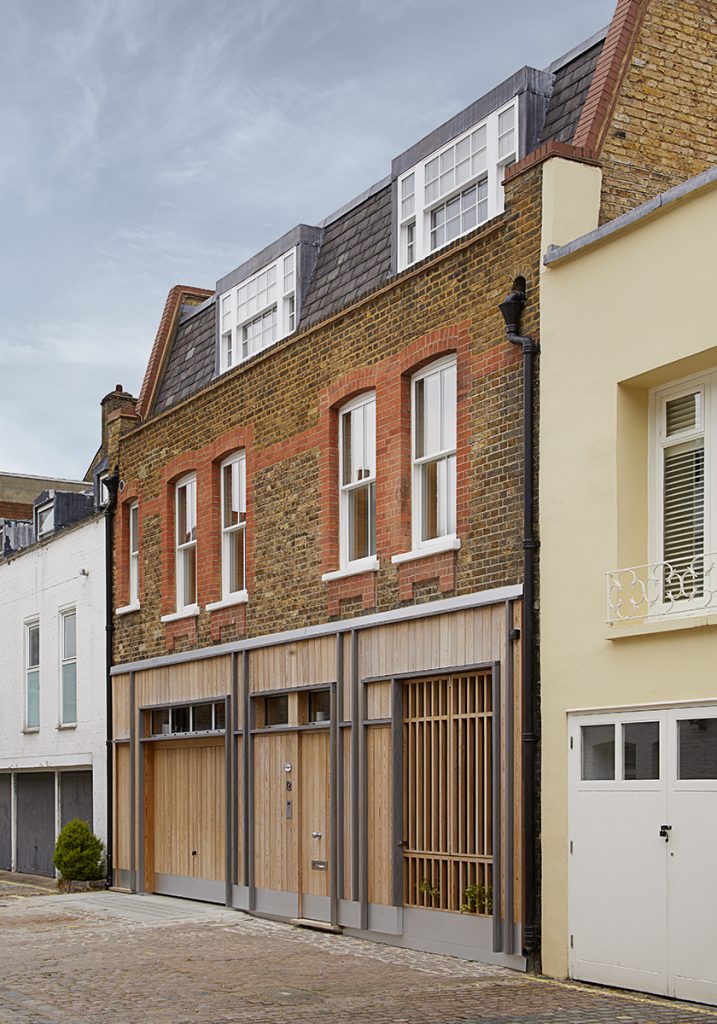
This Victorian Grade II listed building has been substantially refurbished, creating an elegant and distinctive home in which the original historic detailing is balanced by contemporary insertions. Ornamental plaster work, wall paneling, and fire places have been restored, while the interior spaces are reorganised to provide more representative and flexible living accommodation tailored to the clientâs needs.The ground and lower ground floors have been extended to gain space for an additional bedroom and a generous kitchen flooded by sun light via a large opening towards the sky. An 150 year old reclaimed Oak floor installed throughout the house binds the four storeys together and is contrasted by bespoke integrated furniture.Location: Conservation area in West LondonClient: Private
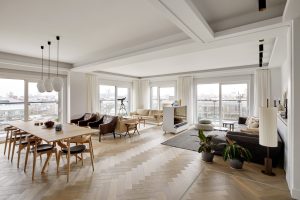
This Victorian Grade II listed building has been substantially refurbished, creating an elegant and distinctive home in which the original historic detailing is balanced by contemporary insertions. Ornamental plaster work, wall paneling, and fire places have been restored, while the interior spaces are reorganised to provide more representative and flexible living accommodation tailored to the clientâs needs.
The ground and lower ground floors have been extended to gain space for an additional bedroom and a generous kitchen flooded by sun light via a large opening towards the sky. An 150 year old reclaimed Oak floor installed throughout the house binds the four storeys together and is contrasted by bespoke integrated furniture.
Location: Conservation area in West London
Client: Private
RAUM OF REQUIREMENTSThe word RAUM contains multiple meanings some seemingly at odds with one another. That requirement can be delight and as Charlie Brown said: "What I need is more hellos".Episode 01 - The prototypical objectsThe students need to uncover subject, object, location and allegories of their own device by considering the following:ephemeral / permanentinvisible / visiblemass / uniquelocal / globalinterior / exteriorrepetition / absencelinear / fragmentclear / misunderstoodThe first task is to construct six pieces of text and collages that correspond with the above.Raum (der)n. room, compartment of space marked off by walls within a buildingspace: two- or three-dimensional area, open space, outer spaceplace: jurisdiction, district, region, area, capacity, premises, site, grounds(Babylon dictionary)RequireVerb (required, require)1 a to need something; b to wish to have something2 to demand, exact or command by authority3 to have as a necessary or essential condition for success, fulfillment, etc.requirement noun 1a a need b something that is needed2 something that is asked for, essential, order, etc3 a necessary conditionETYMOLOGY: from Latin require to seek for, from quaerere to seek or search for.(Chambers dictionary)Episode 02 - Field trip to Berlin, GermanyNovember 2008
RAUM OF REQUIREMENTS
The word RAUM contains multiple meanings some seemingly at odds with one another. That requirement can be delight and as Charlie Brown said:
"What I need is more hellos".
Episode 01 - The prototypical objects
The students need to uncover subject, object, location and allegories of their own device by considering the following:
ephemeral / permanent
invisible / visible
mass / unique
local / global
interior / exterior
repetition / absence
linear / fragment
clear / misunderstood
The first task is to construct six pieces of text and collages that correspond with the above.
Raum (der)
n. room, compartment of space marked off
by walls within a building
space: two- or three-dimensional area, open space, outer space
place: jurisdiction, district, region, area, capacity, premises, site, grounds
(Babylon dictionary)
Require
Verb (required, require)
1 a to need something; b to wish to have something
2 to demand, exact or command by authority
3 to have as a necessary or essential condition for success, fulfillment, etc.
requirement noun
1a a need b something that is needed
2 something that is asked for, essential, order, etc
3 a necessary condition
ETYMOLOGY: from Latin require to seek for, from quaerere to seek or search for.
(Chambers dictionary)
Episode 02 - Field trip to Berlin, Germany
November 2008
The construction of space between geometry and language forms the core of the project. Its investigation leads to the creation of a cybernetic garden in which sensitive machines are set in ecological relationships with each other.The seeds of the garden are sown in specific âmemory-locationsâ. By removing the surface between time and objects, conversations between these locations are established. Geometric, mechanical conditions are set against released soft events, which unfold transient spaces. The territories of singular objects are extended, inhabiting changing gaps between the machines. Interior conditions are projected into the exterior, where they ignite further reactions. Traces of processes are harvested, encounter individual intuition and influence the surrounding members in their performance.
The construction of space between geometry and language forms the core of the project. Its investigation leads to the creation of a cybernetic garden in which sensitive machines are set in ecological relationships with each other.
The seeds of the garden are sown in specific âmemory-locationsâ. By removing the surface between time and objects, conversations between these locations are established. Geometric, mechanical conditions are set against released soft events, which unfold transient spaces. The territories of singular objects are extended, inhabiting changing gaps between the machines. Interior conditions are projected into the exterior, where they ignite further reactions. Traces of processes are harvested, encounter individual intuition and influence the surrounding members in their performance.
The Max Frisch-Archive in Zurich preserves the literary legacy of the world-famous Swiss author and has commissioned Patalab to curate and design this spatial interpretation of Frischâs novel Iâm not Stiller. Patalab was responsible for concept development, design and planning, as well as for the entire realisation of the project at the ETH library in Zurich. Markus Seifermannâs artwork formed the main body of the installation and was accompanied by the work of three artists who specialize in sound and film.Opened on 18th February 2009 by critically acclaimed litterateur Peter von Matt, The Lost Space of Stiller attracted an overwhelming response by experts, the public and the press.Read exhibition review by NoeMie SchwallerRead exhibition review by ETH LifeWatch the video of the exhibition on YouTubeClient: Max Frisch-Archive, ETH-Bibliothek Zurich'Patalabâs role: Artwork, Exhibition Designer & Lead ConsultantTEAMArtwork: Markus Seifermann Sound Artist & Designer: Michael Shaw Film: Dan FarmerRope Bondage: EsinemText: Matthias A. AmannLighting: iGuzzini illuminazione Schweiz AGConstruction: Straehl Holzbau, Bunner Holzbau
The Max Frisch-Archive in Zurich preserves the literary legacy of the
world-famous Swiss author and has commissioned Patalab to curate and design this spatial interpretation of Frischâs novel Iâm not Stiller. Patalab was responsible for concept development, design and planning, as well as for the entire realisation of the project at the ETH library in Zurich.
Markus Seifermannâs artwork formed the main body of the installation
and was accompanied by the work of three artists who specialize in sound and film.
Opened on 18th February 2009 by critically acclaimed litterateur
Peter von Matt, The Lost Space of Stiller attracted an overwhelming response by experts, the public and the press.
Read exhibition review by NoeMie Schwaller
Read exhibition review by ETH Life
Watch the video of the exhibition on YouTube
Client: Max Frisch-Archive, ETH-Bibliothek Zurich
'Patalabâs role: Artwork, Exhibition Designer & Lead Consultant
Artwork: Markus Seifermann
Sound Artist & Designer: Michael Shaw
Film: Dan Farmer
Rope Bondage: Esinem
Text: Matthias A. Amann
Lighting: iGuzzini illuminazione Schweiz AG
Construction: Straehl Holzbau, Bunner Holzbau
Identity is a space, formed by the inner world of each person. This inner view relies on the perception of other people with different viewpoints, opinions and prejudices.The name Stiller is taken from the novel âIâm not Stillerâ (1954) by the Swiss author Max Frisch and is a metaphor for the search for an identity as a lost space. Frisch once confided to his diary: âWhat is important is the unsayable, the space between the words, while those words are always talking about secondary things that we donât really mean.â This is precisely the theme of The Lost Space of Stiller: the search for the unsayable.
Identity is a space, formed by the inner world of each person. This inner view relies on the perception of other people with different viewpoints, opinions and prejudices.
The name Stiller is taken from the novel âIâm not Stillerâ (1954) by the Swiss author Max Frisch and is a metaphor for the search for an identity as a lost space.
Frisch once confided to his diary: âWhat is important is the unsayable, the space between the words, while those words are always talking about secondary things that we donât really mean.â This is precisely the theme of The Lost Space of Stiller: the search for the unsayable.
with Make ArchitectsThis remodelling of a Neo-Georgian villa with a new built extension sits within a generous garden. Extending over three storeys, the house features study, kitchen, dining and living spaces on the ground floor. A cantilevered stone staircase along a gentle curve in the double storey high entrance hall links this area with the bedrooms above. Conceived as an evolving sequence of spaces, the interior opens out towards its surroundings and acts as a vessel for the ever changing quality of light. The palette of internal materials comprises polished plaster, beige limestone, cast bronze and American walnut. This is complemented by an exceptional attention to detail reflected in bespoke door handles, light fittings and joinery - an approach supported by the clientâs commitment to achieving the highest quality design and craftsmanship. Although highly elaborate and complex, the design respects the domestic scale and history of the house.Awards: 2008 Winner/ Natural Stone Awards 2010 Winner/ LDSA Building Excellence AwardsCollaboration: Glass Artist Isabel HammLocation: Conservation Area in HampsteadClient: Private
with Make Architects
This remodelling of a Neo-Georgian villa with a new built extension sits within a generous garden. Extending over three storeys, the house features study, kitchen, dining and living spaces on the ground floor. A cantilevered stone staircase along a gentle curve in the double storey high entrance hall links this area with the bedrooms above. Conceived as an evolving sequence of spaces, the interior opens out towards its surroundings and acts as a vessel for the ever changing quality of light.
The palette of internal materials comprises polished plaster, beige limestone, cast bronze and American walnut. This is complemented by an exceptional attention to detail reflected in bespoke door handles, light fittings and joinery - an approach supported by the clientâs commitment to achieving the highest quality design and craftsmanship. Although highly elaborate and complex, the design respects the domestic scale and history of the house.
Awards: 2008 Winner/ Natural Stone Awards
2010 Winner/ LDSA Building Excellence Awards
Collaboration: Glass Artist Isabel Hamm
Location: Conservation Area in Hampstead
This project to refurbish a semi-detached Victorian villa situated within one of Londonâs Arcadian conservation areas focuses on increasing the spatial connectivity between the house and its garden and within the house itself. In response to the buildingâs existing four floors, a series of double-storey high volumes have been inserted into the fabric. Spaces are linked horizontally and vertically, opening up unexpected views within and beyond the house. A tapered staircase, approaching a 4.5 metre high glazed opening, leads from the entrance hall on a raised ground floor down to garden level where the kitchen area extends into the exterior via a sunken terrace.Dark natural materials such as Belgian Basalt and stained Oak are contrasted by bespoke designed joinery pieces in light finishes.Location: Conservation Area in North -West LondonClient: Private
This project to refurbish a semi-detached Victorian villa situated within one of Londonâs Arcadian conservation areas focuses on increasing the spatial connectivity between the house and its garden and within the house itself.
In response to the buildingâs existing four floors, a series of double-storey high volumes have been inserted into the fabric. Spaces are linked horizontally and vertically, opening up unexpected views within and beyond the house. A tapered staircase, approaching a 4.5 metre high glazed opening, leads from the entrance hall on a raised ground floor down to garden level where the kitchen area extends into the exterior via a sunken terrace.
Dark natural materials such as Belgian Basalt and stained Oak are contrasted by bespoke designed joinery pieces in light finishes.
Location: Conservation Area in North -West London
DISCLAIMER'Patalab is not responsible for linked Websites
DISCLAIMER
'Patalab is not responsible for linked Websites
Tel: + 44 (0) 20 3093 4170 Email: info@patalab.com
IMPRINTResponsible for this website Uwe Schmidt-Hess & Markus SeifermannPhotographs Schmidt-Hess, Seifermann, makeDesign & Programming Christian Klette info@1o11.net
IMPRINT
Responsible for this website Uwe Schmidt-Hess & Markus Seifermann
Photographs Schmidt-Hess, Seifermann, make
Design & Programming Christian Klette info@1o11.net
PRACTICE PROFILEâPatalab is a London-based architectural practice. We offer a full range of services from concept design to site supervision, planning and realizing contemporary high quality spaces and places.The practice was founded by Uwe Schmidt-Hess and Markus Seifermann. While our main focus is architecture and the realization of buildings and interiors, our expertise also includes the conception and design of exhibitions. Both elements of the practice are enriched and supported by design based research.Inspired by âPataphysics, a philosophy and artistic movement dedicated to exploring the imaginary and what lies beyond the realm of physics and metaphysics, âPatalab operates as an innovative practice and delivers intelligent and memorable design solutions in response to our clientsâ varied requirements by understanding their needs and ambitions.
PRACTICE PROFILE
âPatalab is a London-based architectural practice. We offer a full range of services from concept design to site supervision, planning and realizing contemporary high quality spaces and places.
The practice was founded by Uwe Schmidt-Hess and Markus Seifermann. While our main focus is architecture and the realization of buildings and interiors, our expertise also includes the conception and design of exhibitions. Both elements of the practice are enriched and supported by design based research.
Inspired by âPataphysics, a philosophy and artistic movement dedicated to exploring the imaginary and what lies beyond the realm of physics and metaphysics, âPatalab operates as an innovative practice and delivers intelligent and memorable design solutions in response to our clientsâ varied requirements by understanding their needs and ambitions.
New headquarters for fashion group Esprit EDC in Germany with Make ArchitectsThis competition-winning scheme creates a flagship headquarters building for fashion brand EDC, in which the creative process is on display as much as the fashion and accessories which are the end product. A crystalline asymmetrical structure emerges from the ground plane, creating a building in which showroom spaces, product display areas and design and administrative work stations are fluidly interlinked and communication and visual connections are maximised to dynamic effect. Five floors, each differing in plan, are bound together by a sinuous asymmetrical void which twists upwards through the heart of the building. The sense of fluid connection is further enforced by a ramp that spirals up the perimeter of the central void to form a spectacular promenade.Awards2008 CommendationMIPIM Architectural Review Future Project TeamStructure: Bollinger + Grohmann Ingenieure, FrankfurtKlimaengineering: Transsolar, StuttgartFacade: Emmer Pfenninger Partner AG, Muenchenstein-CHProject Management BMP Baumanagement GmbH, Koeln
New headquarters for fashion group Esprit EDC in Germany
This competition-winning scheme creates a flagship headquarters building for fashion brand EDC, in which the creative process is on display as much
as the fashion and accessories which are the end product.
A crystalline asymmetrical structure emerges from the ground plane, creating a building in which showroom spaces, product display areas and design and administrative work stations are fluidly interlinked and communication and visual connections are maximised to dynamic effect. Five floors, each differing in plan, are bound together by a sinuous asymmetrical void which twists upwards through the heart of the building. The sense of fluid connection is further enforced by a ramp that spirals up the perimeter of the central void to form a spectacular promenade.
Awards
2008 Commendation
MIPIM Architectural Review Future Project
Team
Facade: Emmer Pfenninger Partner AG, Muenchenstein-CH
Project Management BMP Baumanagement GmbH, Koeln
HEADLINE FOR THIS NEWS IN CAPSBla Bla. Lorem ipsum dolor sit amet, consectetuer adipiscing elit. Aenean commodo ligula eget dolor. Aenean massa. Cum sociis natoque penatibus et magnis dis parturient montes, nascetur ridiculus mus. Donec quam felis, ultricies nec, pellentesque eu, pretium quis, sem. Nulla consequat massa quis enim. Donec pede justo, fringilla vel, aliquet nec, vulputate eget, arcu. In enim justo, rhoncus ut, imperdiet a, venenatis vitae, justo. Nullam dictum felis eu pede mollis pretium. Integer tincidunt. Cras dapibus. Vivamus elementum semper nisi. Aenean vulputate eleifend tellus. Aenean leo ligula, porttitor eu, consequat vitae, eleifend ac, enim. Aliquam lorem ante, dapibus in, viverra quis, feugiat a, tellus. Phasellus viverra nulla ut metus varius laoreet. Quisque rutrum.
HEADLINE FOR THIS NEWS IN CAPS
Bla Bla. Lorem ipsum dolor sit amet, consectetuer adipiscing elit. Aenean commodo ligula eget dolor. Aenean massa. Cum sociis natoque penatibus et magnis dis parturient montes, nascetur ridiculus mus. Donec quam felis, ultricies nec, pellentesque eu, pretium quis, sem. Nulla consequat massa quis enim. Donec pede justo, fringilla vel, aliquet nec, vulputate eget, arcu. In enim justo, rhoncus ut, imperdiet a, venenatis vitae, justo. Nullam dictum felis eu pede mollis pretium. Integer tincidunt. Cras dapibus. Vivamus elementum semper nisi. Aenean vulputate eleifend tellus. Aenean leo ligula, porttitor eu, consequat vitae, eleifend ac, enim. Aliquam lorem ante, dapibus in, viverra quis, feugiat a, tellus. Phasellus viverra nulla ut metus varius laoreet. Quisque rutrum.
âPATALAB is a London-based architectural practice. We offer a full range of services from concept design to site supervision, planning and realizing contemporary high quality spaces and places. 'PATALAB operates as an innovative practice and delivers intelligent and memorable design solutions in response to our clientsâ varied requirements.
âPATALAB is a London-based architectural practice. We offer a full range of services from concept design to site supervision, planning and realizing contemporary high quality spaces and places.
'PATALAB operates as an innovative practice and delivers intelligent and memorable design solutions in response to our clientsâ varied requirements.